Becoming a full-time creator or using YouTube to drive meaningful revenue for a small-to-mid-size business or nonprofit is more achievable than most people think. Recent research and real-world case studies show that creators who treat their channels like a business—focused, strategic, and disciplined—often reach sustainable income faster than the myth suggests.
How long does it really take to go full time?
When you treat YouTube as a business and invest serious time, there is a common timeline many creators experience. Use it as a planning guide, not a hard rule. The typical milestones look like this:
- First dollar: ~4.9 months from launch.
- Revenue exceeds expenses: ~12.3 months.
- Switching to full time: ~12.7 months (many start taking the leap around 12 months).
- Fully self-supporting: ~18.4 months.
- Hire help: ~18.8 months (first part-time contractor or VA).
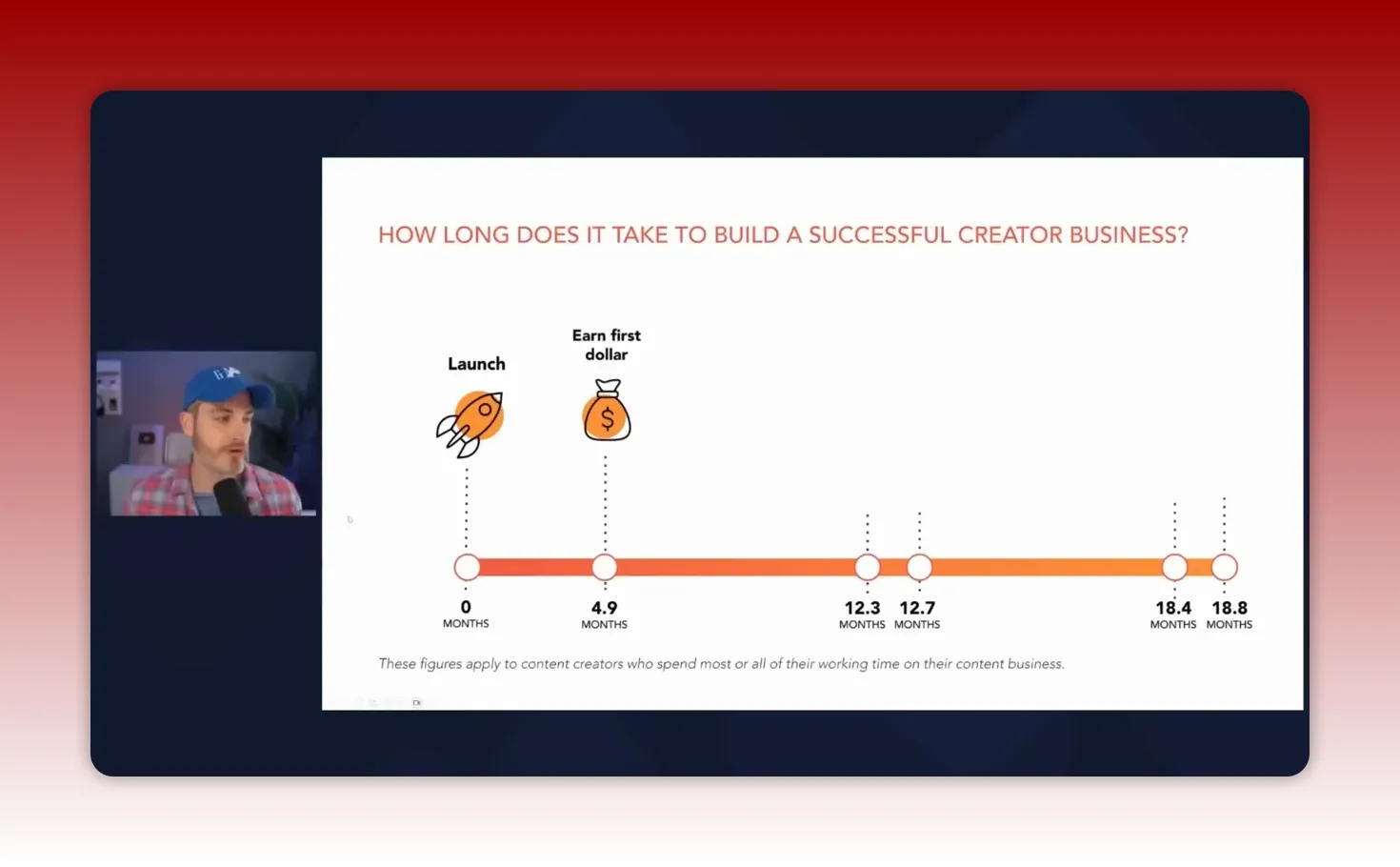
That timeline assumes most of your time is spent building the creator business—creating content, serving your audience, and iterating on what works. If you’re building this as a side project with limited hours each week, expect the timeline to stretch. For small businesses and nonprofits that treat YouTube as a central marketing and fundraising channel, these benchmarks become targets for operational planning.
Real startup costs and runway you need to plan for
The numbers from recent benchmarks are eye-opening but practical:
- Average launch cost: about $10,700 (this includes tech, setup, marketing, paid tools, initial ad spend, and maybe a few professional services).
- Annual tech expenses: typically $1,000 in years 1–3, rising to about $2,000 later for subscriptions and maintenance.
- Gross revenue for many full-time creators: around $108,000 annually on average, with take-home (after expenses) commonly near $62,224.
These are averages. You can start much cheaper—smartphone, basic mic, and a laptop—but if you plan to scale a business, expect to invest in tools like a CRM, payment system, email platform, scheduling tools, editing software, and possibly paid marketing. Nonprofits should factor in donor management and compliance costs; small businesses should add basic e-commerce or booking infrastructure.
Practical runway planning for small organizations
- Decide on a 12–18 month runway. Calculate your monthly burn (personal or organizational). Multiply by 12 or 18 to set your savings goal.
- Start lean. Prioritize the essentials: camera (or smartphone), microphone, basic lighting, editing software, and an email platform.
- Budget for content promotion. Organic growth takes time—plan small ad tests to accelerate early discovery.
- Plan for compliance costs if you’re a nonprofit (accounting, legal filings, donor platforms).
Shift from creator to entrepreneur
Successful channels are businesses, not hobbies. That mind shift changes priorities. Expect to spend nearly half of your time on non-creative tasks: bookkeeping, taxes, contracts, scheduling, partner negotiations, and customer service.
Two practical choices will save time and increase results:
- Partner or hire for the business side: If you’re strong on content but weak on ops, find a co-founder or hire a fractional operations person.
- Create simple systems: Use templates for outreach, contracts, media kits, and onboarding to make sponsor and client interactions repeatable.
CPM vs RPM: What actually lands in your bank account
Understanding ad economics is essential for planning income and diversification.
CPM (cost per mille) is what advertisers pay per 1,000 impressions. It reflects what the marketplace is willing to pay for the audience you reach. CPM answers, "How valuable is my content to advertisers?"
RPM (revenue per mille) is what you actually earn per 1,000 views after splits and factors are applied. RPM combines ad revenue, YouTube Premium shares, super chats, memberships, and other platform-based payouts.
Examples put it into context:
- If CPM = $30 and YouTube keeps a split, your RPM might be $15–$22 depending on other revenue sources.
- If RPM = $2, one million monetized long-form views ≈ $2,000.
- Shorts often pay much less. Many creators see an RPM in the cents range for shorts compared with long-form content.
Real channel numbers are instructive. Over a roughly 4-month period, one mid-size channel tracked the following:
- Video RPM (long-form): about $7.98
- Shorts RPM: about $0.06
- Live stream RPM: about $15.27
- CPM (what advertisers paid): about $20.49
- Total ad-derived revenue over ~4 months: $156,727
Those figures show two things: long-form educational or product-review content is where higher RPMs live, and ad revenue alone should not be the only plan. Diversify.
Seven things that influence CPM and RPM
To increase ad revenue, focus on the factors advertisers care about.
- Geographic location: Audiences in economies with higher purchasing power command higher ad bids. If your audience is concentrated in the U.S., UK, Canada, or Australia, expect higher CPMs than if the bulk is in lower-ad markets.
- Audience age: Advertisers pay more to reach demographics with purchasing power, like 30–55 year olds. Know who your content attracts and design content to match the buyer persona you want.
- Niche or industry: Some niches have higher CPMs. Research shows health, business, investing, auto reviews, real estate, insurance, and online marketing often command top CPMs globally. For small businesses, aligning content with high-value buyer journeys can multiply sponsorship opportunities.
- Seasonality: CPMs spike and dip with seasonal ad spend. Retail spikes around Black Friday and holidays; fitness spikes around New Year’s. Plan promotional content to align with advertiser demand.
- Ad type selection: The types of ads (skippable, non-skippable, bumpers, display) matter. Different formats pay differently. Let the platform optimize, but review Analytics to understand which ad formats are serving on your videos.
- Made for kids status: Content marked as made for kids receives lower targeted ad revenue due to privacy restrictions. Nonprofits serving youth should weigh platform rules against audience reach and diversify revenue sources.
- Advertiser-safety of content: Avoid topics and language that trigger limited or no ads status if ad revenue matters. Sensitive, violent, hateful, or graphic content often reduces monetization options.
13 practical ways small channels, SMBs and nonprofits can make money
Ad revenue helps, but a resilient creator business stacks income. Here are strategies that work for creators with small followings and for mission-driven organizations looking to monetize responsibly.
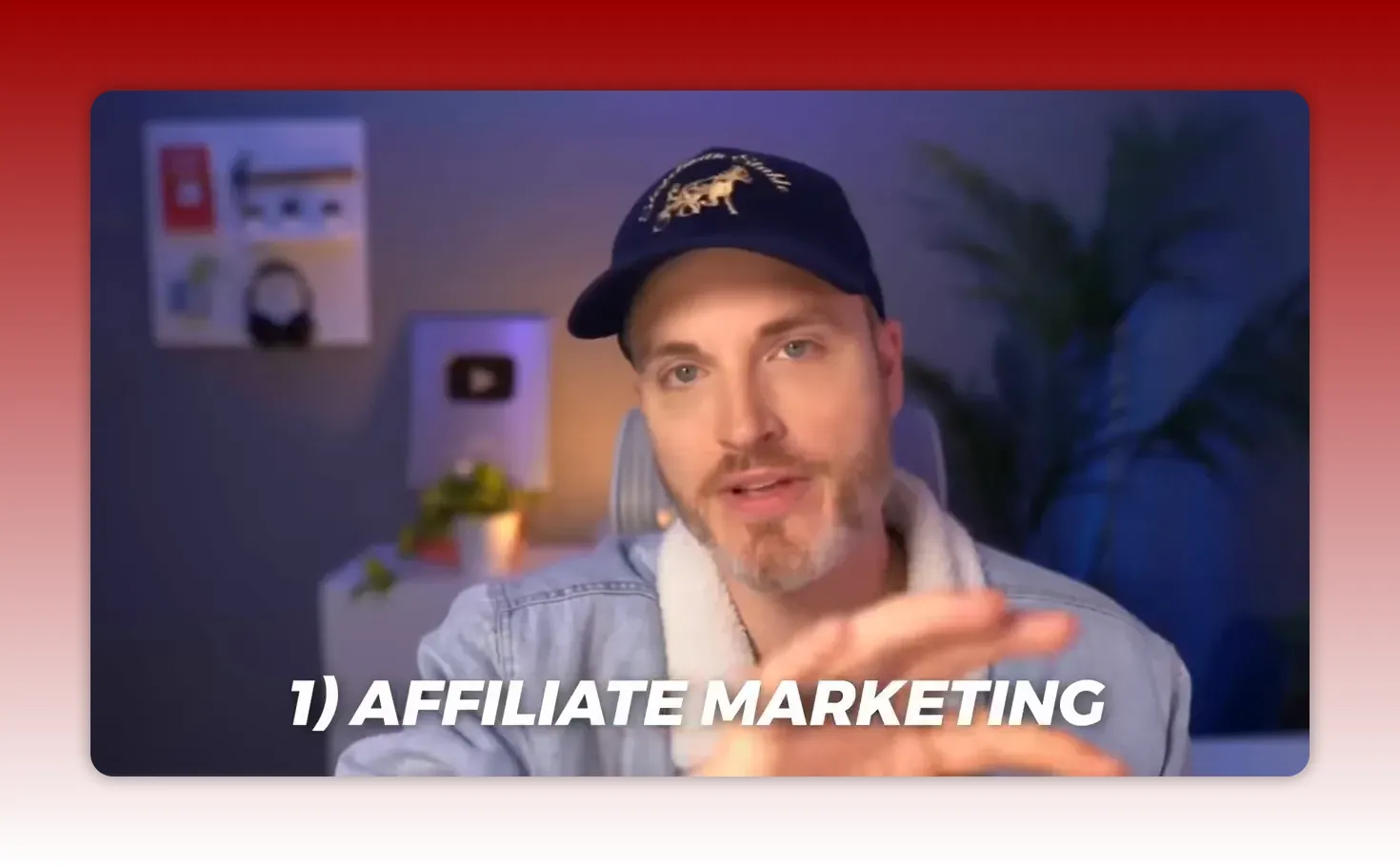
1. Affiliate marketing
Promote products or services using tracked links and earn commission when your audience purchases. This is ideal for product reviews, tutorials, or "best of" lists. For nonprofits, affiliate partnerships with mission-aligned retailers or bookstores can be a tasteful revenue stream.
- Action step: Start with one affiliate program you personally use. Add links in descriptions and create a transparent call to action.
- Example: A small arts nonprofit partners with craft suppliers; members get a discount via an affiliate link, and the nonprofit receives a commission.
2. Brand deals and sponsorships
Brands love micro and nano influencers because of higher engagement and authenticity. Offer creative deliverables beyond impressions: product integrations, rights to repurpose your content, or regional campaigns tailored to SMBs.
- Action step: Build a one-page media kit with audience demographics, example videos, and your rate card. Pitch 5 local or niche-aligned brands this month.
3. Product placements
Incorporate products subtly within content. This can be recurring (e.g., a monthly product showcase) and works well for SMBs looking to promote local partners or equipment suppliers.
- Action step: Create a product placement pricing tier that includes on-camera exposure and social shares.
4. Create UGC for brands (paid user-generated content)
Brands increasingly hire creators to produce authentic, short-form ads that look like organic content. UGC creators don’t need massive followings—production quality, speed, and understanding of the brand voice matter more.
- Action step: Package 3 short-form UGC concepts and pitch them to a local business as a trial campaign.
5. License and sell footage
High-quality B-roll, drone shots, or event footage can be licensed to media outlets, travel boards, or other creators. Upload to stock video libraries or offer direct licensing to brands.
- Action step: Curate your best clips into a portfolio and upload them to one stock site. Track downloads monthly.
6. Fan funding and memberships
Platforms like Patreon, Buy Me a Coffee, and channel memberships allow recurring support. For nonprofits, this can be structured as membership access with impact reports and behind-the-scenes updates.
- Tip: Wait until you have a consistent cadence and deliverable promise before launching memberships. Rewards must be real and sustainable.
7. AdSense and YouTube Partner Program
Ad revenue is useful but volatile. Use it as a baseline income stream while you build higher-margin offerings. Remember that YouTube’s program thresholds still require effort to reach: 1,000 subscribers + 4,000 watch hours (or short alternatives), though now there are lower thresholds to access some features like memberships.
8. Freelance services
Leverage your video and marketing skills to do paid work: editing, social clips, event coverage, or content strategy. For nonprofits, offering affordable storytelling packages to other small orgs can be a sustainable sideline.
- Action step: Create a simple service page and offer a discounted pilot package to your first client.
9. Coaching and consulting
Package your expertise into short coaching sessions or group workshops. Small businesses and nonprofits often need help translating operations or programs into compelling content—this is where your expertise is valuable.
- Price tip: Start with hourly packages and refine into fixed-fee deliverables as demand grows.
10. Digital products and online courses
Sell templates, presets, e-books, or short courses that solve a specific pain. These are high-margin, repeatable products and perfect for educational creators and service providers.
- Example: A community arts nonprofit sells a simple fundraising checklist and donor-email templates to other small nonprofits.
- Action step: Outline a short product you can create in 30 days and sell for $10–$50.
11. Physical products and merch
Sell mission-aligned merchandise—t-shirts, kits, or specialty items. Consider dropshipping or print-on-demand to avoid inventory hassles.
- Action step: Launch one small merch item tied to a campaign or fundraiser to test demand.
12. Use YouTube as lead generation for your core business
This is one of the highest-leverage approaches for SMBs and nonprofits. Instead of treating the channel as the product, use it to funnel leads, appointments, donors, or clients into your existing business model.
- Example: A consultancy with 500 subscribers generated $11,000 in new business within a week by optimizing videos as lead magnets.
- Action step: Create one "lead magnet" video that solves a specific problem and funnels viewers to a landing page or booking calendar.
13. Offer your creator skills to brands (become talent)
Pitch yourself as a content producer or on-camera host for a brand’s channel. Many companies need regular content but lack in-house talent and would rather hire a creator on retainer or contract.
- Action step: Identify three local or niche brands that could benefit from regular videos. Propose a pilot of 4 videos for a set fee.
How to choose which income streams to prioritize
With limited time and resources, prioritize based on two variables: speed to revenue and alignment with your mission or business model.
- Immediate revenue, low setup: Freelance services, affiliate marketing, and small brand deals.
- Medium-term, higher margin: Digital products, licensing, and UGC work.
- Long-term, scalable: Memberships, courses, and physical product lines.
For nonprofits, prioritize funding methods that align with donor expectations and transparency: memberships, digital fundraising products, donor-sponsored content, and lead-gen for events and paid programs. For SMBs, lead generation and client acquisition typically scale fastest in revenue impact.
90-day action plan to earn your first income or first $1,000
- Audit what you already have: 5 best-performing videos, email list (even 0), one existing partnership.
- Pick one simple monetization to launch (affiliate, freelance offer, or local brand deal).
- Build a one-page offer or landing page and a content plan with 8 videos over 30–60 days.
- Collect data: track RPM/CPM in analytics, conversion rates, and audience location/age.
- Iterate: double down on what converts. Add a second income stream in month 3, for example, a digital checklist or a paid workshop.
Practical checklist for SMBs and nonprofits before pitching brands
- Audience demographics snapshot: top countries, age groups, and watch patterns.
- Clear value proposition: what your audience buys and why a brand should care.
- 3 examples of video concepts for a sponsor, including estimated reach and conversion ideas.
- Simple case study or social proof: a short client or viewer success story.
Common mistakes and how to avoid them
- Pursuing the wrong metric: Vanity metrics like subscriber counts are less meaningful than engaged audience and conversion rates. Focus on watch time, retention, and conversion.
- Launching monetization too early: Don’t launch memberships or paid programs until you can sustainably deliver value and see consistent engagement.
- Relying on ad revenue alone: Diversify—ads fluctuate with seasonality and platform policy changes.
- Not documenting processes: If you get a sponsor or client, documented deliverables and templates protect both parties and scale your operations.
Measuring success: the metrics to track
Beyond subscribers and views, track these monthly:
- Watch time (hours): indicator of content quality and discoverability.
- Average view duration and audience retention: which part of the video keeps attention?
- RPM (and separate ad RPM if possible): how much you actually earn per 1,000 views.
- Traffic sources and geographic breakdown: helps target sponsors and ad expectations.
- Conversion rate on lead magnets and sales pages.
- Revenue per viewer: total revenue divided by unique viewers over a period—useful for comparing strategies.
Final playbook for purpose-driven creators
For small-to-mid-size businesses and nonprofits, YouTube is not only a channel for visibility—it is a powerful revenue engine when used strategically. The playbook looks like this:
- Set a 12–18 month runway and budget accordingly.
- Decide whether YouTube is your business or your marketing channel.
- Choose 1–2 priority monetization strategies aligned with your mission and audience.
- Track the right metrics and iterate every 30 days.
- Build systems and templates to scale (outreach, sponsorships, onboarding, fulfillment).
- Diversify income so you are not dependent on a single platform.
With focused discipline, a clear money plan, and a willingness to treat content as a product, the path from zero to full-time (or to a sizable marketing and fundraising channel) becomes measurable and repeatable.
FAQ
How much time do I need to invest weekly to match the 18-month timeline?
You should plan to spend most of your working week on the creator business to match the 12–18 month pace—think 30 to 40 hours weekly if you want to move quickly. If you only have evenings and weekends, expect the timeline to stretch. The timeline in benchmarks assumes creators treat the channel as a primary focus, even if they have part-time help.
What starter monetization should a small nonprofit try first?
Start with donor-focused options and low-friction revenue: a short digital guide or webinar tied to your mission, an affiliate partnership with mission-aligned partners, or a small-membership with exclusive impact reports. These respect donor expectations while starting the revenue habit.
Are shorts worth making if they pay so little?
Shorts are fantastic for discovery and growing audience reach quickly. Treat them as a top-of-funnel strategy. Use them to drive viewers to long-form content or to landing pages where higher-value conversions happen.
How do I pitch a brand when I have only 1,000 subscribers?
Lead with value, not size. Showcase a concise media kit with audience demographics, strong engagement examples, and a clear proposal: the creative idea, deliverables, timeline, and expected outcomes. Offer a pilot campaign at a lower price to build trust and demonstrate ROI.
How can I protect my nonprofit’s credibility when accepting sponsorships?
Be selective. Only partner with brands that align with your mission and ethical standards. Use transparent disclosures, explain how sponsorship funds help your programs, and maintain editorial independence when creating sponsored content.
What’s the best way to price my digital product?
Start with the value you deliver. Test price points: $7–$29 for small templates or presets; $49–$299 for compact courses or workshops. Use early-bird discounts and collect testimonials to increase perceived value. Measure conversion and adjust.
Should my organization build an email list alongside YouTube?
Yes. An email list is one of the highest-value assets. Use YouTube to drive traffic to a lead magnet and capture emails. Email provides direct communication that is independent of platform algorithms.
How do I approach hiring help when revenue is still modest?
Start with contract or freelance help for the highest-value tasks (thumbnail design, editing, or admin). Reinvest a portion of early revenue into support to multiply output. Hire when a task consumes time you could use to create or sell instead.
The creator economy is maturing. With clear strategy, a money plan, and an entrepreneurial mindset, small businesses and nonprofits can use YouTube to create sustainable revenue, stronger community engagement, and amplified mission impact. The next three years will offer expanding opportunities—prepare now and stack income intentionally.
This article was created based on the video Zero to Full-Time YouTuber: The 18-Month Blueprint.


