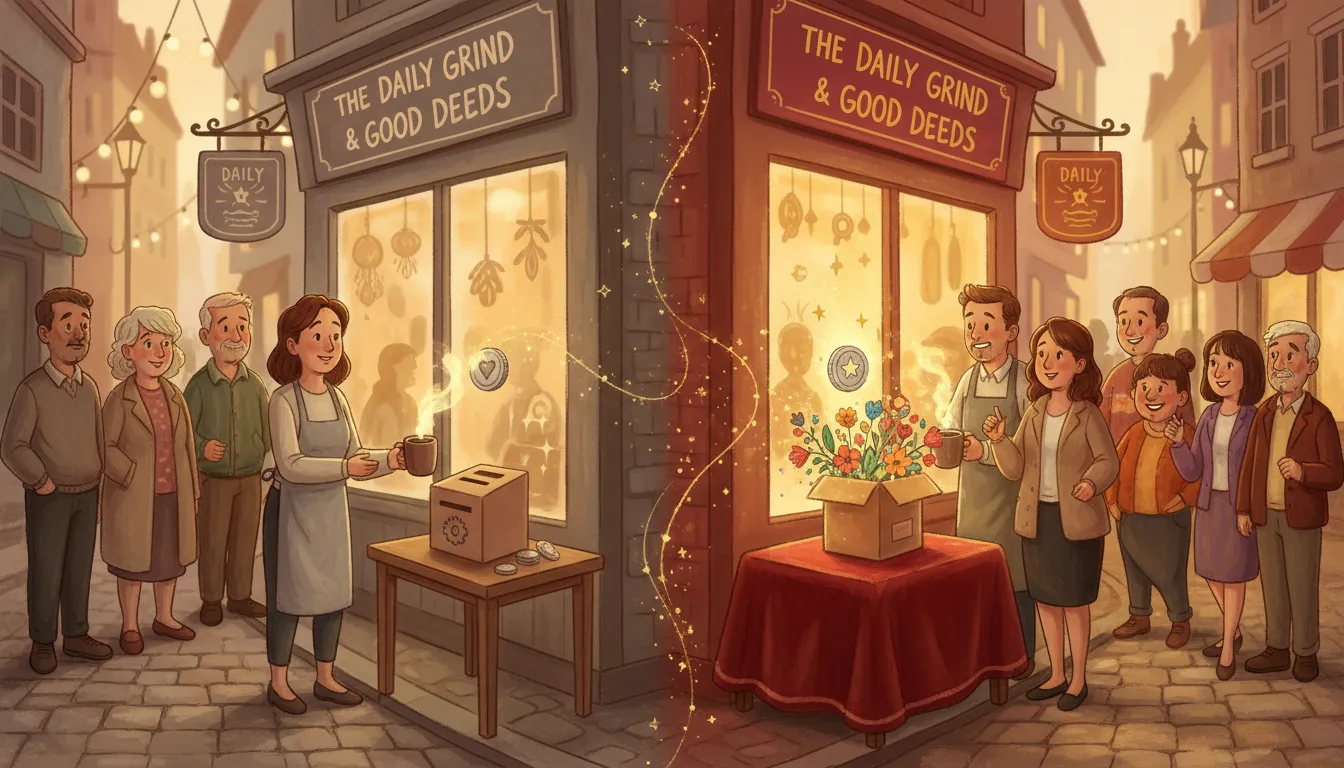
Rationality is all very well. It will stop you going bankrupt and will usually win arguments in boardrooms. But in industries where the product is how people feel — hospitality, retail, small charities, local services — rationality is often only the bronze medal. The silver is ingenuity. The gold is magic.
This isn’t about hocus-pocus. It’s about psychology: how small contextual shifts, reframes and well-placed surprises change behaviour far more cheaply and reliably than a longer production line, a bigger building or more raw horsepower ever could. The rest of this article is a practical, conversational playbook for small businesses and nonprofits who want outsized effects from tiny changes.
Why "magic" beats pure engineering
Engineers and accountants love measurable answers: speed, capacity, cost. Those answers are tidy and defensible. But most people make choices on emotion, not arithmetic. If your business is judged by how it makes people feel — restaurants, B&Bs, community centres, local theatres, charity donation experiences — then your job is to design feelings as much as features.
Two rules to keep in mind
- People respond to perception more than to objective measures. You cannot always count quality, but you can design it.
- Small contextual changes can yield huge behavioural returns. Often the cheapest solution is psychological, not mechanical.

Stories that teach: simple tricks with big effects
1. Present yourself as a fellow human, not an accuser
At a banquet, someone had stolen a gold salt shaker. Accusing a guest would be a diplomatic disaster. The solution was elegantly simple: the host slipped the matching pepper pot into his pocket. Later he approached the thief as a “co-conspirator” and restored both items. The accusation vanished; embarrassment turned into a manageable moment.
Small businesses: when a customer is upset, the instinct is often to defend. Instead, try an admission or a shared empathy line. It changes the emotional transaction and often averts escalation.
2. Reframe value: quality over quantity
Building faster infrastructure is expensive. But sometimes you can make time more enjoyable, which increases perceived value. If a train journey is shortened by 30 minutes at great expense, you get one outcome. If the same operator instead offered reliable Wi-Fi, free entertainment and a better environment, people would perceive the journey as more valuable even if the clock hasn’t changed.

For small hospitality businesses, the lesson is direct. Instead of investing heavily in a minor structural upgrade, consider adding something that improves the experience of the existing time: better blankets, a curated playlist, a local guidebook, a welcoming scent. Those are inexpensive relative to structural works and often remembered.
3. Fix the psychology rather than the physics
Consider electric vehicles and range anxiety. Range is an engineering problem; anxiety is psychological. If it is cheaper to make charging stations visible, familiar and easy to use than to increase battery density by a huge sum, then do that. Visibility and reassurance reduce the psychological barrier.
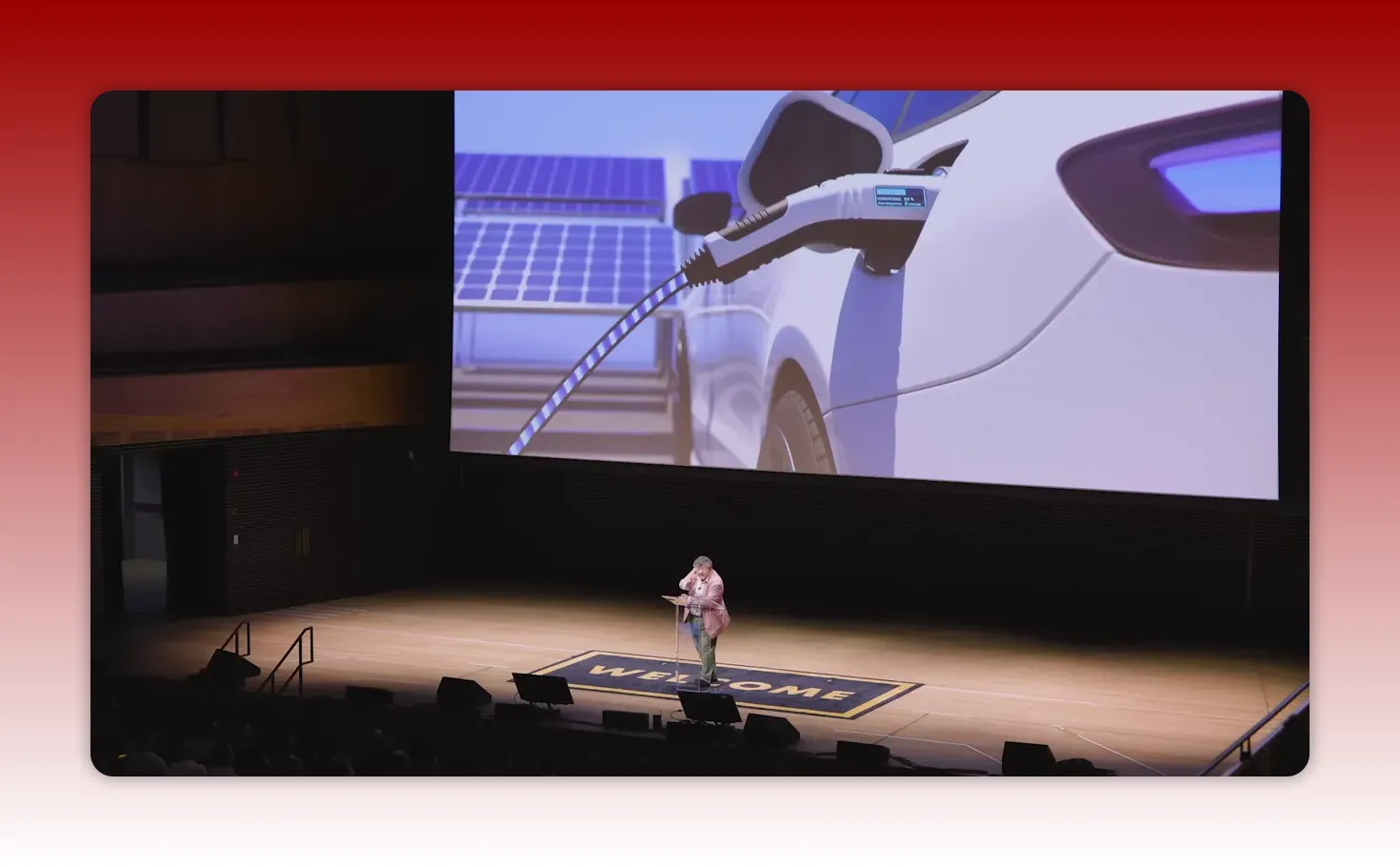
Small businesses and nonprofits can apply the same idea: signage, predictable opening hours, clear small-print, and visible staff presence can remove perceived friction as effectively as major back-end upgrades.
4. Sell benefits in terms people already understand
James Watt didn’t sell boilers; he sold horsepower — a unit that translated steam engine capability into the mental image of horses. It’s marketing brilliance: present the benefit in a frame your customer already understands.
For small nonprofits, a direct version is “donor since” or “supporter since.” For a local bike shop, think “replaces the commute for X days” rather than “1.2 kW motor.” Translate engineered benefits into everyday terms your audience grasps immediately.
5. Make complexity understandable
People won’t use a system they don’t understand. When a suburban rail network sat unused because the maps were incomprehensible, simply integrating those lines into a single metro-style map quadrupled ridership. They changed behaviour not by laying miles of track but by presenting the network differently.
Small organisations can do the same with simple visuals: one-sheet maps of how services connect, simple diagrams of donation use, or flowcharts explaining the customer journey. Clarity is a lever.
6. Monetize small preferences
Rooms near the pool command a premium, yet they cost virtually nothing extra to offer. A hotel simply framed their rooms by proximity — pool access — and charged a modest fee. Little framing changes yield recurring high-margin revenue.
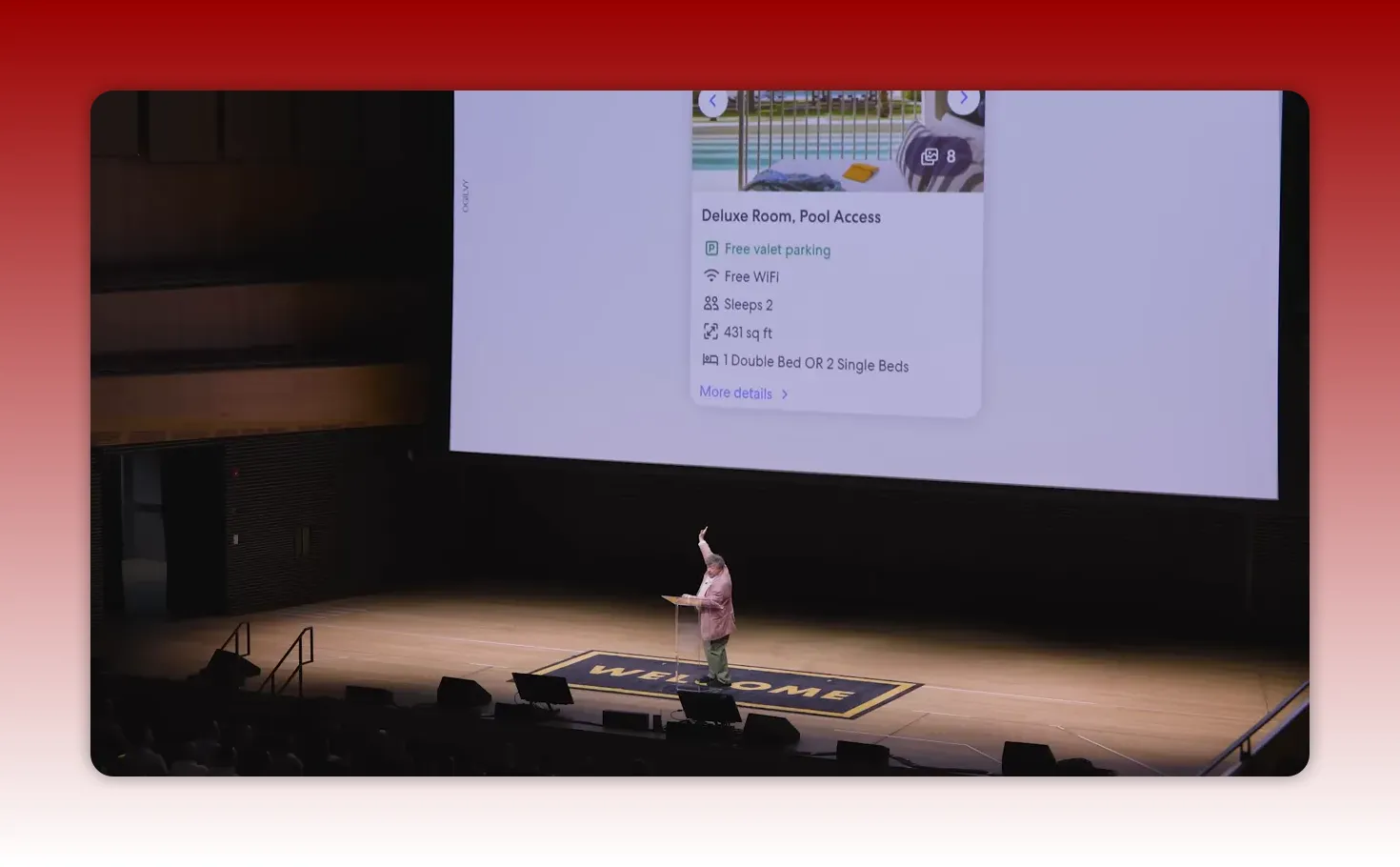
If you run a community centre, charge a small premium for preferred slots. If you run a studio, offer a “quiet corner” add-on that needs no capital investment but satisfies a subset of customers who will happily pay.
7. Design your purchase path to encourage better options
When booking a flight, putting economy first makes premium options harder to compare. Presenting all price tiers side by side increases conversions to higher-margin seats. Presentation affects choice.
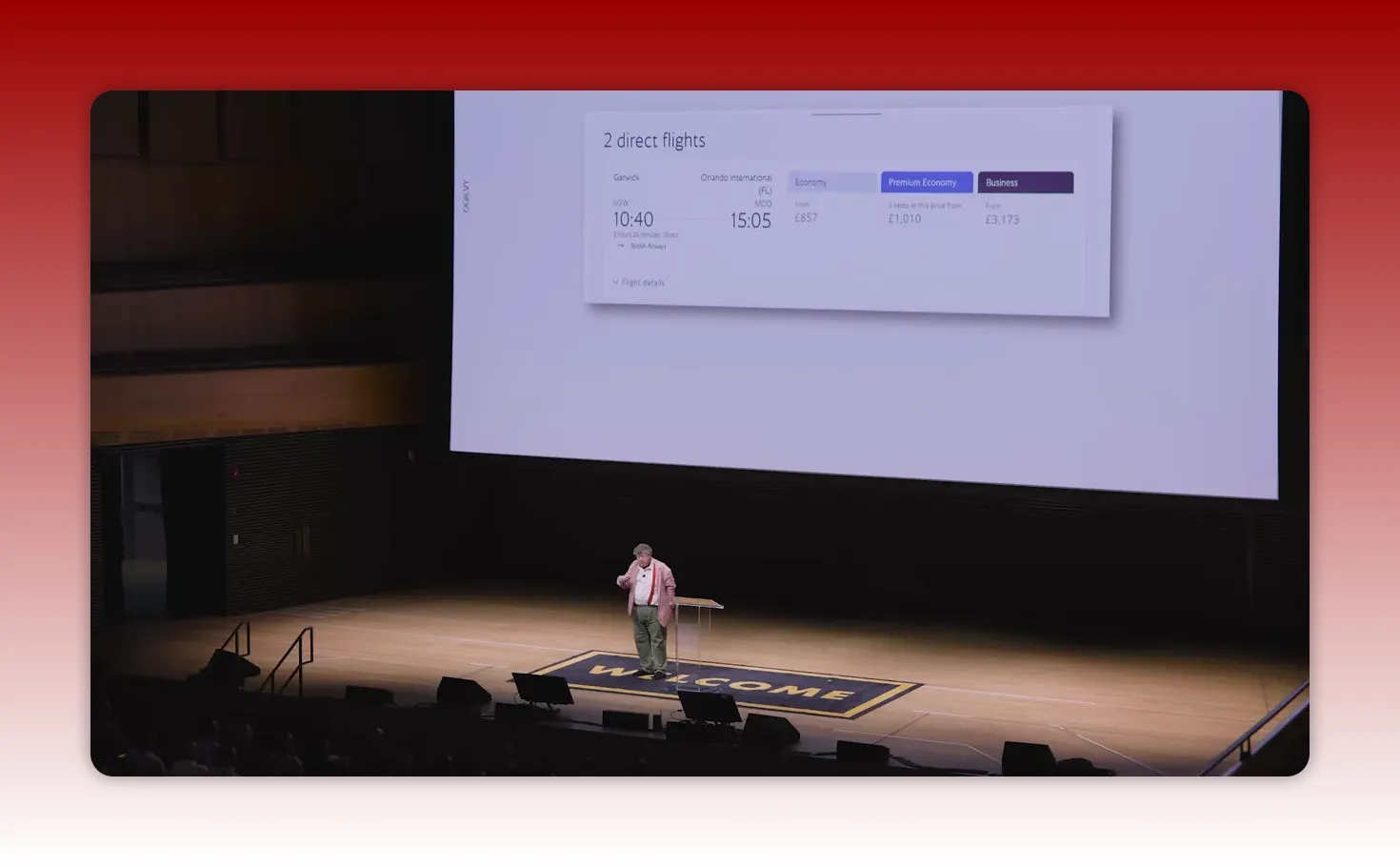
For small retailers, that might mean showing “good, better, best” on a single page instead of forcing the customer down an economy-first funnel. For nonprofits, show suggested donation tiers together with examples of what each amount achieves.
8. Show the right metric to change behaviour
We display speed as miles per hour. But a paceometer — minutes per 10 miles — makes the diminishing returns of extra speed obvious. Showing the opposite metric changes decision-making.
Think about what metric your customers care about and present it. If you manage volunteer scheduling, show “time saved per shift” instead of “number of tasks.” If you run a workshop, display how many minutes participants will save at home with the new skill.
9. Let curiosity lead: balance Walmart with TJ Maxx
Successful systems combine two modes: targeted efficiency and exploratory serendipity. Bees spend most of their time exploiting known nectar sources, but a fraction wander randomly; those wanderers find new sources and keep the hive adaptable. Similarly, businesses should balance focused, efficient operations with occasional exploratory experiments that increase the chance of big wins.
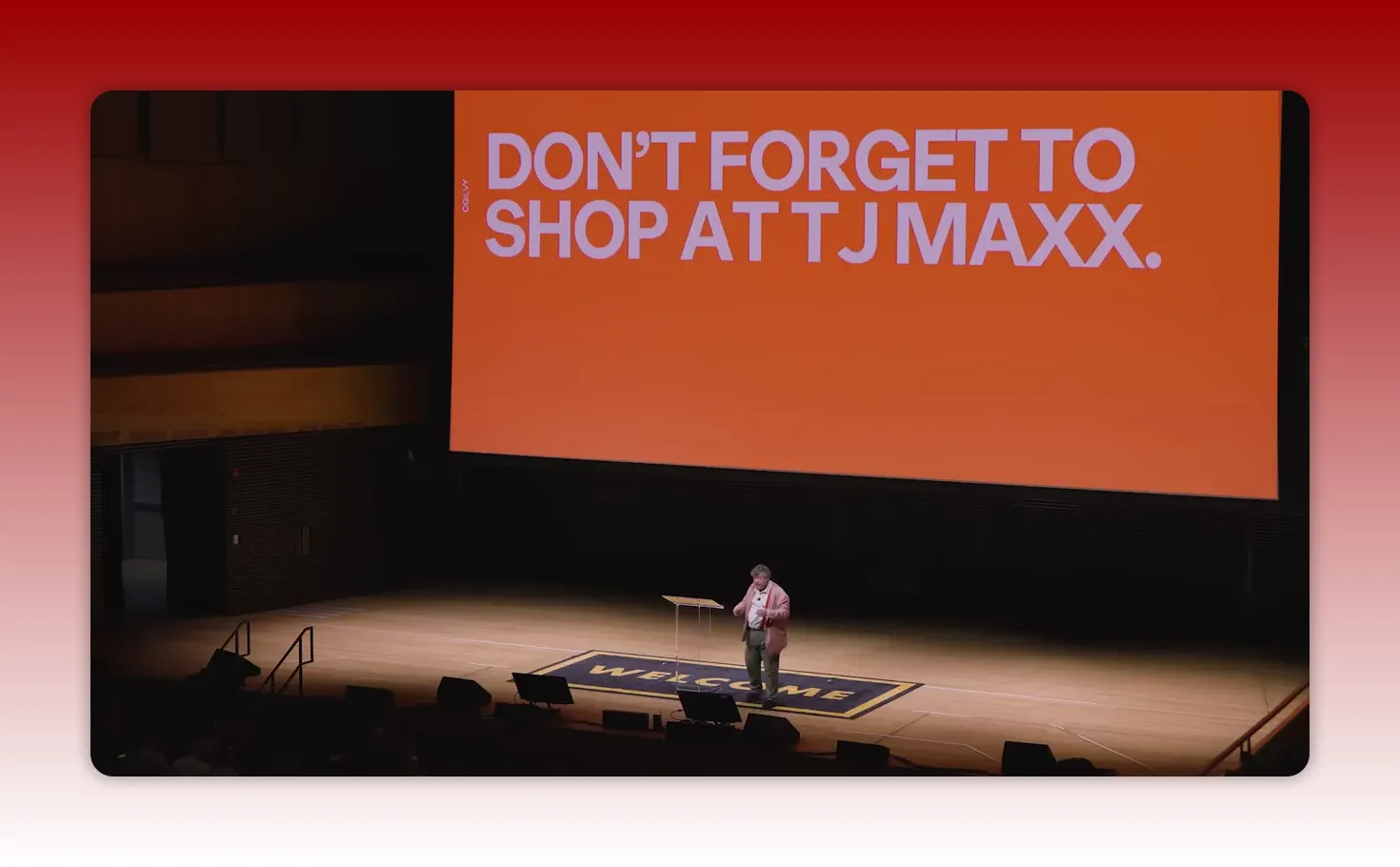
Allocate part of your marketing or program budget to “curiosity” experiments. They will fail more often, but the winners can change everything.
Reverse benchmarking: copy what others are bad at
Most benchmarking asks, “What are they doing well that we should copy?” Reverse benchmarking asks, “What are they doing badly that we can do brilliantly?” That differentiates you.
Examples:
- Restaurants: If top venues serve mediocre coffee, make yours exceptional and turn it into an off-menu selling point.
- Gas stations: If public restrooms are awful, fix them to such a degree customers alter their route to use your facility.
- Car rentals: Offer a tracked, explained handover — a staff member walks the customer to the car, explains quirks and fills out a simple how-to sheet.
Reverse benchmarking is low-cost and high-return because it leverages a neglected gap. It also creates memorable moments: surprises that register loudly in human memory because they are unexpected.
Why surprises matter: neuroscience and attention
The brain is a prediction machine. It spends most of its energy predicting the next input and only transmits what departs from expectation. That’s why a warm cookie at check-in feels magical. Few guests expect a hot biscuit, so the experience carries disproportionate weight.
Design for surprise. You can’t clutter every interaction with fireworks, but you can choose a few moments to over-invest in. That memorable interaction is what people tell their friends about and what creates long-term loyalty.
Explore versus exploit: how to distribute attention and money
Explore activities are high-variance. They’re the place for many small bets, tolerant failure and the occasional outsized winner. Exploit activities are predictable, steady and efficient. Organisations need both, but too many are overweight on exploit. That’s why novel marketing or services are starved for budget while finance checks and process wins the day.
For small organisations I recommend a simple allocation model:
- Baseline operations (exploit): 60–80% of budget and resources. Keep the basics excellent.
- Exploration and experiments: 20–40% of budget. Run rapid, inexpensive tests. Bail quickly on losers; double down on anything that shows promise.
Explorations should follow these rules:
- Make experiments cheap and time-boxed.
- Expect more failures than successes.
- When an experiment works, scale it rapidly.
- Document and share learnings so the whole organisation benefits.
Practical playbook for small businesses and nonprofits
Below are concrete, low-cost changes you can try. Each one is designed to influence emotional perception rather than to require major capital outlays.
Quick wins under $500
- Welcome surprise: A small unexpected treat at arrival — a cookie, chilled water, a handwritten note — yields high recall.
- Signage that reassures: Simple maps, “how it works” cards, or a brief neighbourhood guide on the table.
- Visible staff presence: Make the “front-line” visible so people feel attended to. A greeter at the door beats a bell-less buzzer.
- Metric reframing: Show customers the metric that matters to them. Replace technical specs with relatable benefits.
Medium-term investments ($500–$5,000)
- Reprice and reframe: Offer proximity-based or benefit-based add-ons (pool-access, quiet-hour seating, priority booking).
- UX tweaks: On your booking page, show all options side-by-side to increase upgrades.
- Community-first initiatives: Small loyalty mechanics like “supporter since” for donors or “member since” for regulars increase retention.
- Visible infrastructure: Improve external visibility and signage so customers can see that solutions exist — for example, make charging or pickup points obvious.
Longer-term experiments ($5,000+)
- Reverse benchmark a category: Pick the weakest moment common to your competitors and design a standout solution.
- Many small bets: Launch multiple micro-initiatives concurrently; treat them as a portfolio.
- Training for discretion: Empower front-line staff to take contextual, sensible actions to make a customer's day — it’s often the discretionary act that creates loyalty.
Examples tailored for nonprofits
Nonprofits often work on shoestring budgets. The same psychological levers apply, but with different targets: donors, volunteers, beneficiaries.
- Donor framing: Use “supporter since” badges and aggregate metrics like “hours helped” rather than dry financial summaries. Present donation impact as tangible acts: “£30 feeds a family for a week.”
- Volunteer onboarding surprise: Give volunteers an unexpected welcome packet: a thank-you postcard, a simple laminated task card, or a small badge. The surprise increases retention.
- Visible impact: Use simple before-and-after visuals in the space donors can see or on your homepage. Clarity makes giving feel sensible and effective.
- Explore-exploit shift: Allocate a small experiment fund for creative fundraising ideas — social micro-campaigns, community pop-ups, surprise donor recognition events.
Make people feel seen: the postman principle
The perception of quality often rides on small personal interactions. Royal Mail’s customer satisfaction correlated far more with whether people liked their postman than with service performance metrics. A postman who leaves a parcel behind a plant because they know you were away becomes a hero. That kind of discretion is worth more than any algorithm.
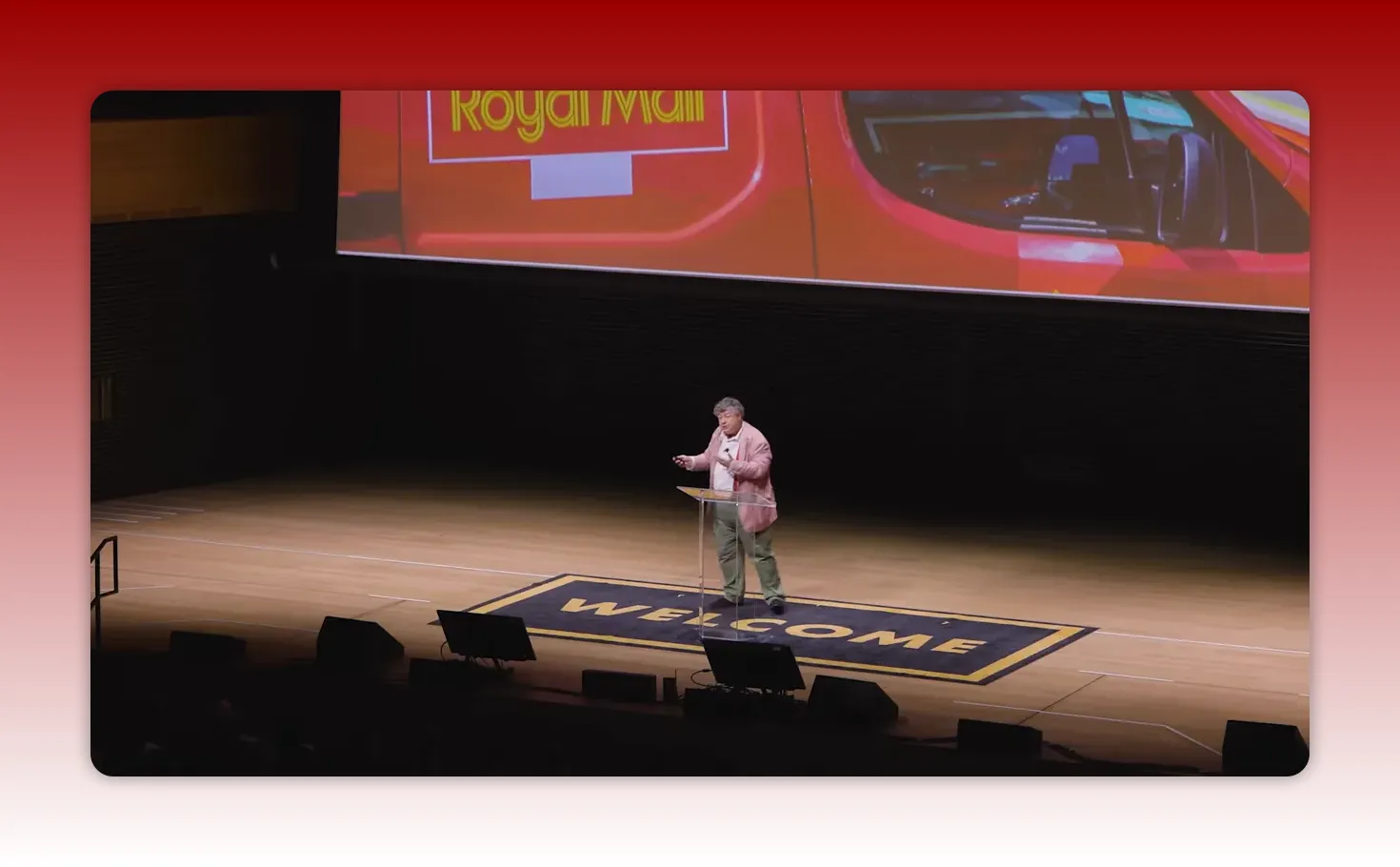
For small organisations, empower staff and volunteers to take simple, context-driven actions. Authorize micro-gestures of goodwill that create stories people tell their friends.
AI, scarcity and the renewed value of human warmth
As automation and AI compress task costs, what becomes scarce and valuable is genuinely human engagement. A warm phone call, a thoughtful face-to-face explanation, a staff member who remembers a donor’s name — these are brand earthquakes. Invest where automation cannot go: emotional authenticity, contextual discretion and memorable surprises.
Checklist: running your own "alchemy" experiments
- Identify a single moment in your customer or donor journey that people notice (check-in, first donation, first arrival).
- Ask: what is expected there today? What would be a plausible delightful surprise?
- Design a tiny intervention that changes perception without major capital.
- Test it quickly with a small sample or a single shift.
- Measure immediate behavioural change: bookings, donations, repeat visits. Qualitative feedback matters.
- If it works, scale it. If it fails, document and move on — that’s the point of many small bets.
When to say no to purely rational fixes
Not every problem requires more technology or infrastructure. Before you plan a capital project, ask:
- Is there a psychological barrier we can lower?
- Can better presentation, clarity or reassurance achieve the same goal?
- Can small design or messaging changes produce outsized results compared with the cost of physical upgrades?
Often, the most expensive solution is not more of the same but a different frame. Ask what Disney would do: they would not simply speed the ride; they would redesign the experience until visitors preferred it to flying.
Practical examples to implement next week
- Hospitality: Add a “latest breakfast” sign in each room with a friendly line. It takes five minutes to write and saves a guest’s anxiety about scheduling.
- Retail: Put a “featured items” middle aisle with rotating surprise bargains; the serendipity increases basket size.
- Nonprofit: Create a “thank you” voicemail script for donors and volunteers. A short, personalized call is disproportionately appreciated.
- Service business: At handover, give a one-page "how-to" that explains quirks of the service or product in plain language. Customers will remember that clarity.
How to budget for magic
If you have to choose between capital spectacle and psychological investments, try this rule of thumb for small organisations:
- Reserve 10–20% of your discretionary budget for experiments that are cheap and fast.
- Do not expect all to work. Expect a fat-tailed return distribution—one big win often funds many more experiments.
- Ensure approval processes for small experiments are lightweight. Creativity dies under a thousand approvals.
Parting thought
Change how people perceive the world, and behaviour will follow. You do not always need more capacity, more technology or more horsepower. Sometimes you simply need to change the frame, add a touch of surprise, or let a human do the humane thing.
For small businesses and nonprofits, that is good news. Magic is cheap compared with infrastructure. It is also harder to copy and therefore more defensible. So spend less time pleading with finance for permission and more time designing moments that feel meaningful. The world doesn’t need another marginally better version of the same thing. It needs a few brilliant surprises.
FAQ
How do I know which moments in my customer journey to experiment with?
Look for moments where customers form impressions: arrival, first contact, payment, handover, follow-up. These are the points where expectations are set and surprises land. Pick one moment, design a tiny intervention, test, measure and iterate.
Can small, inexpensive changes really move the needle?
Yes. Human perception is non-linear. Unexpected positives register disproportionately. A single memorable interaction can create loyalty worth many times its cost.
How should a nonprofit allocate limited funds between core services and experiments?
Keep core services reliable. Allocate a modest, protected experiment fund (5–20% of discretionary budget) for low-cost tests designed to improve donor retention, volunteer engagement or beneficiary experience. Treat it as an investment in growth and resilience.
What if leadership is risk-averse and won’t approve experiments?
Frame experiments as cheap, time-boxed pilots with clear success criteria and small downside. Start with micro-experiments that are nearly costless; success builds trust for bolder ideas.
How do we measure success for 'magic' interventions?
Combine quantitative and qualitative metrics. Look at conversion rates, repeat visits, average donation size and retention. Equally important are direct testimonials, social mentions and anecdotal stories — those indicate memorable impact.
How do we balance exploration and exploitation in a small organisation?
Designate a portion of time or budget for exploration. Keep exploitation efficient and high-quality. Use an inexpensive portfolio approach: many small bets, tolerate failure, scale wins quickly. Even a 70/30 split (exploit/explore) can open possibilities.
This article was created based on the video Rory Sutherland - Alchemy: The Surprising Power of Ideas That Don't Make Sense.


