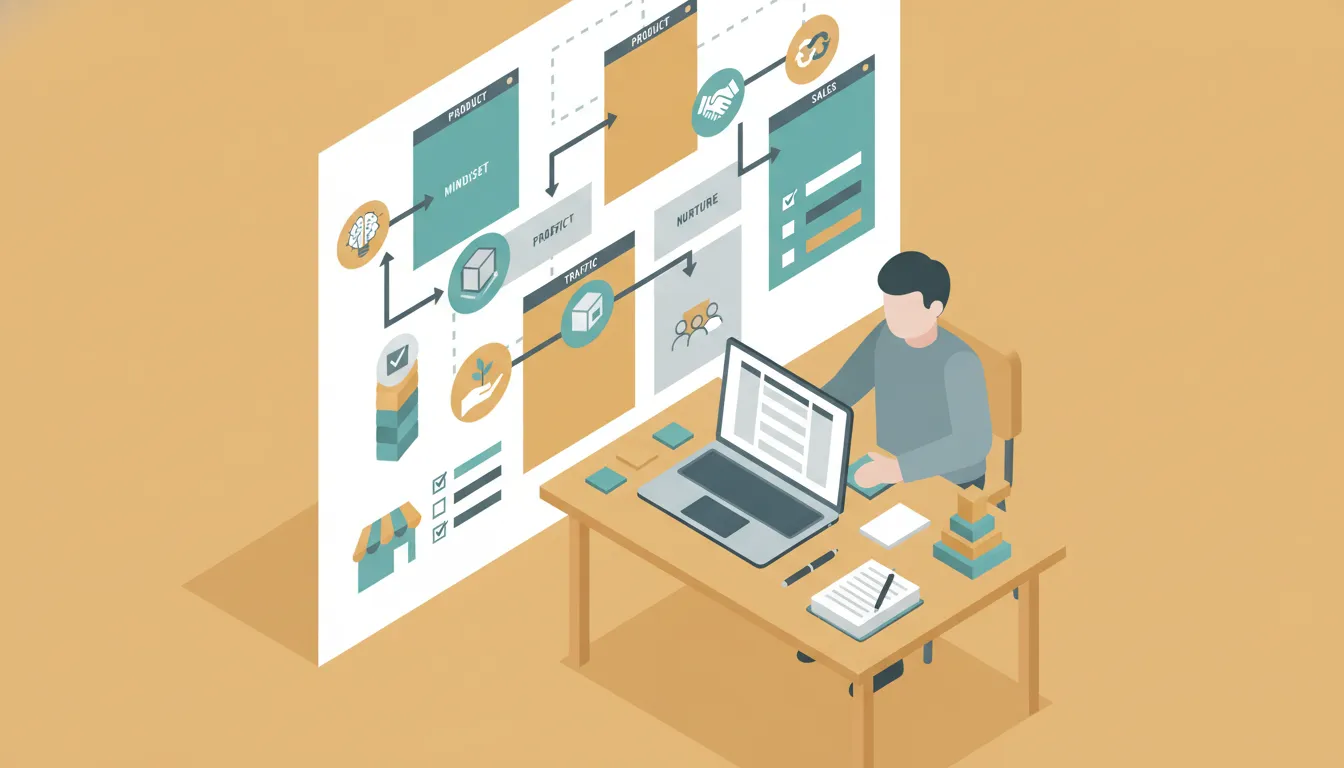
Feeling stuck in the idea phase is normal. You might have a notes app full of ideas, a handful of passions, or a nonprofit program you wish could scale — but not a clue where to start. This guide is the exact curriculum you wish someone handed you at 21: a compact, actionable roadmap that replaces theory with practice and fear with tiny, consistent steps.
This is a semester-length, but flexible, framework built around four pillars: mindset, product, traffic, nurture, and sales. Treat it like a university you can customize to your needs. You will study, complete assignments, and build projects that make your business or nonprofit move forward instead of collecting dust in a drafts folder.

How to use this curriculum
The curriculum is organized into required foundational classes and three elective tracks. Start with the foundations if you are early-stage or pivoting. Then pick one elective that solves the problem you face right now: not enough interest, not converting curious people into customers or donors, or not able to sell confidently.
Keep two simple rules:
- Take messy action daily. Fifteen minutes every day beats one marathon weekend every month.
- Validate before you build. Test interest cheaply and fast so you do not invest lots of time or money into an unproven idea.
Weekly schedule at a glance
Think of each week like a class schedule. A suggested split for a founder wearing many hats:
- Mindset practice: 15 minutes daily.
- Product work and validation: 3–5 hours a week until you have a validated offer.
- Traffic experiments: 3–5 hours a week once you have a clear offer to promote.
- Nurture & writing: 2–4 hours a week for email sequences, content that builds trust, and community response.
- Sales practice: 1–3 hours a week (pitching, roleplaying, outreach).
Required foundation: Mindset 101
Mindset is not optional. Without it you will overplan, overthink, let perfectionism stall execution, or burn out. Mindset work turns self-sabotage into small, consistent action. That is the difference between ideas and income.
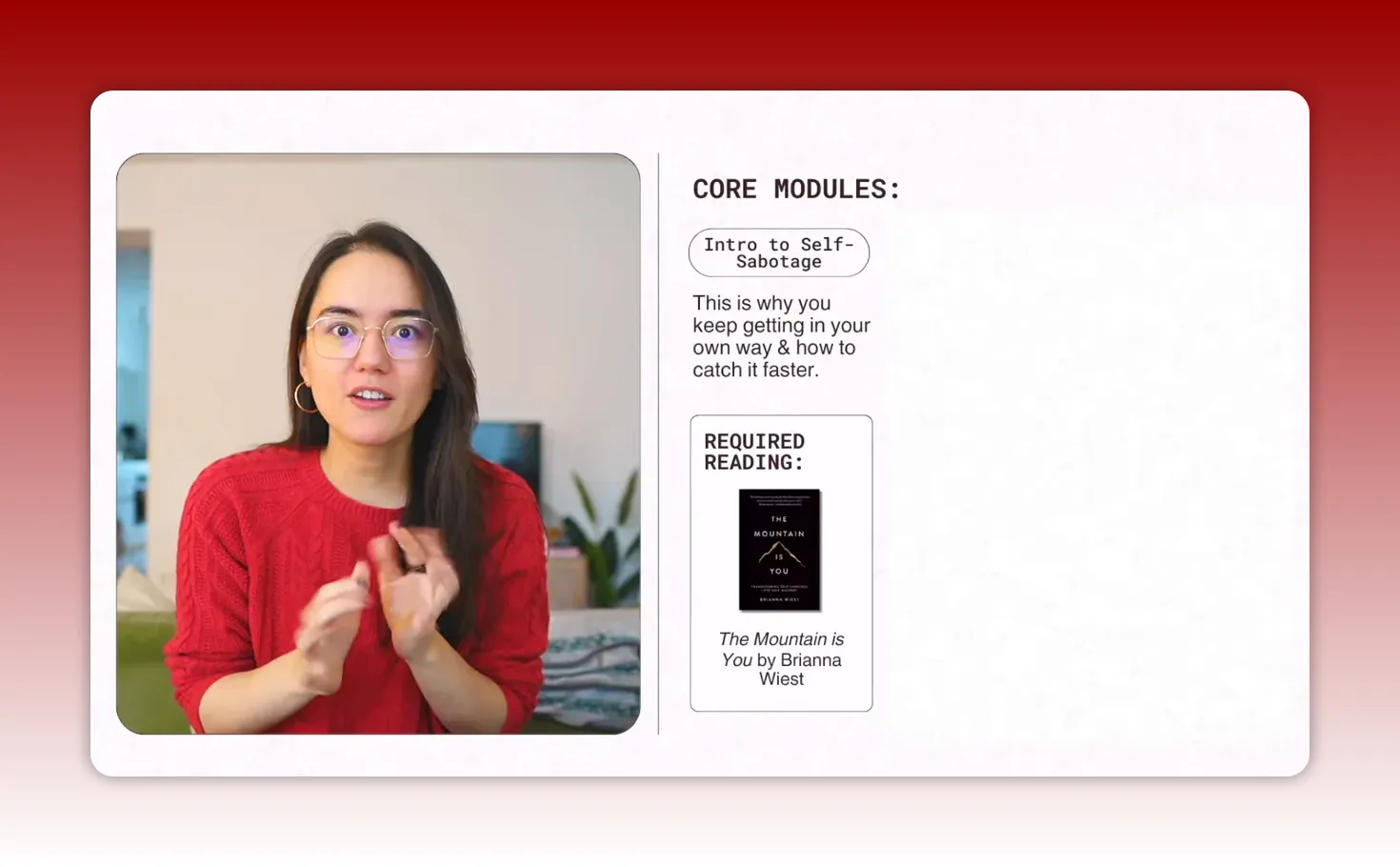
Core modules
- Intro to self-sabotage. Learn to spot the patterns that keep you stuck and the stories you tell yourself that sound like "I need more time" or "I’ll wait until it's perfect."
- Playing bigger. Build loyalty to your dreams rather than to your fears. Play bigger by practicing small, brave choices consistently.
- Resistance and the work. Learn to treat resistance as a signal, not a verdict. Where you resist is often where potential lives.
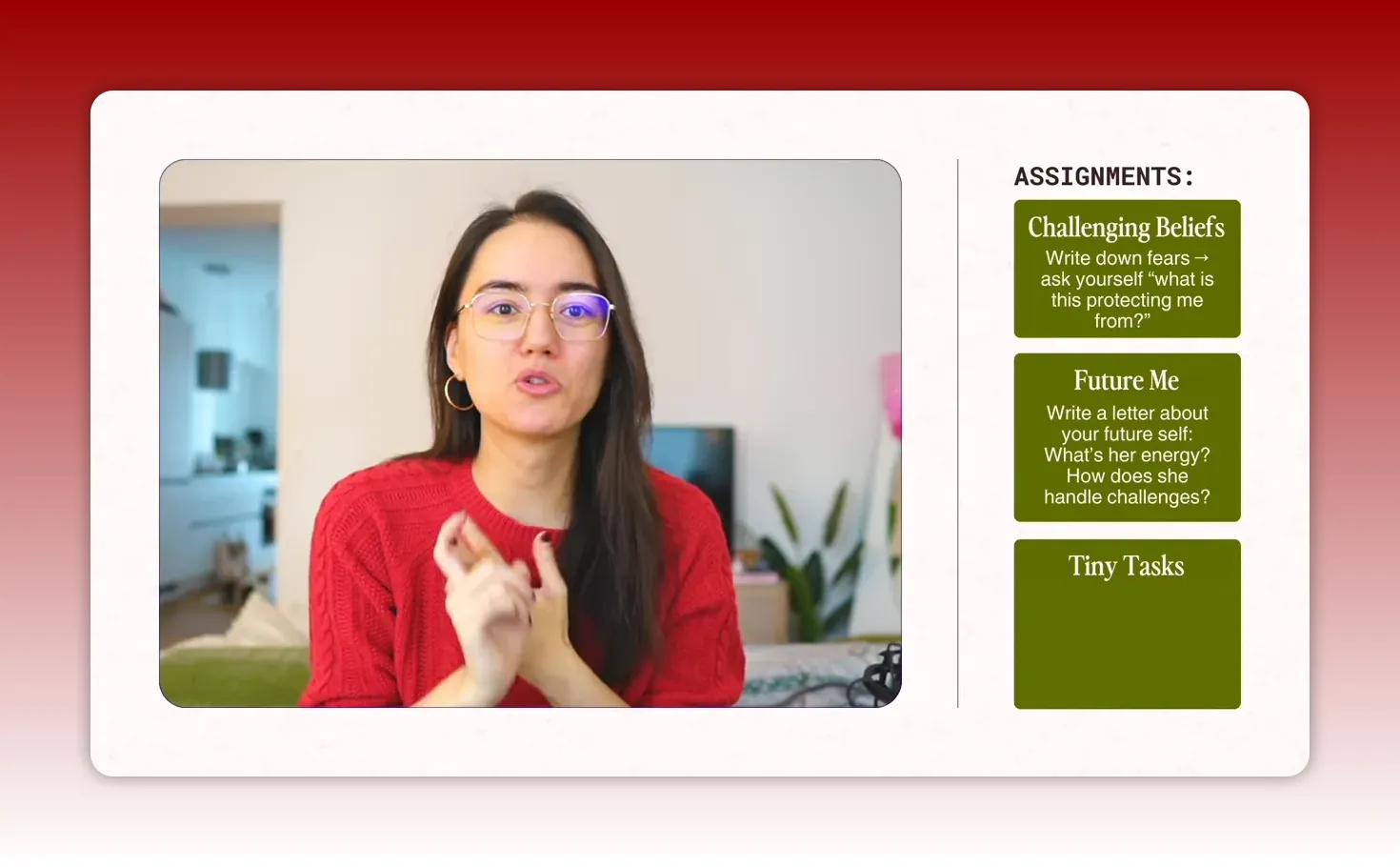
Assignments
- Challenge beliefs. Write down your fears. Ask: what is each fear protecting me from? Name it and respond to it kindly. This turns the inner critic into an ally you can negotiate with.
- Future self letter. Describe the energy, morning routine, voice, decision-making style, and handling of doubt your future self embodies. Write to that person every week to practice the habits they use.
- Tiny Tasks tracker. Commit to 15 minutes of nonnegotiable work every day on your business or program. Track it honestly. These tiny steps compound into launch momentum.
Tiny, messy wins are the currency of progress. For small nonprofits, treat those 15 minutes as donor outreach drafts, grant question brainstorming, or a single message to a community partner.
Required foundation: Product 101 — Idea, Problem, Validation
Product is not just a thing you sell. For small businesses and nonprofits it is the solution you offer: a service, a digital product, a workshop, a membership, or a donor program. Product 101 teaches you how to find problems worth solving and validate them before building.
Core concepts
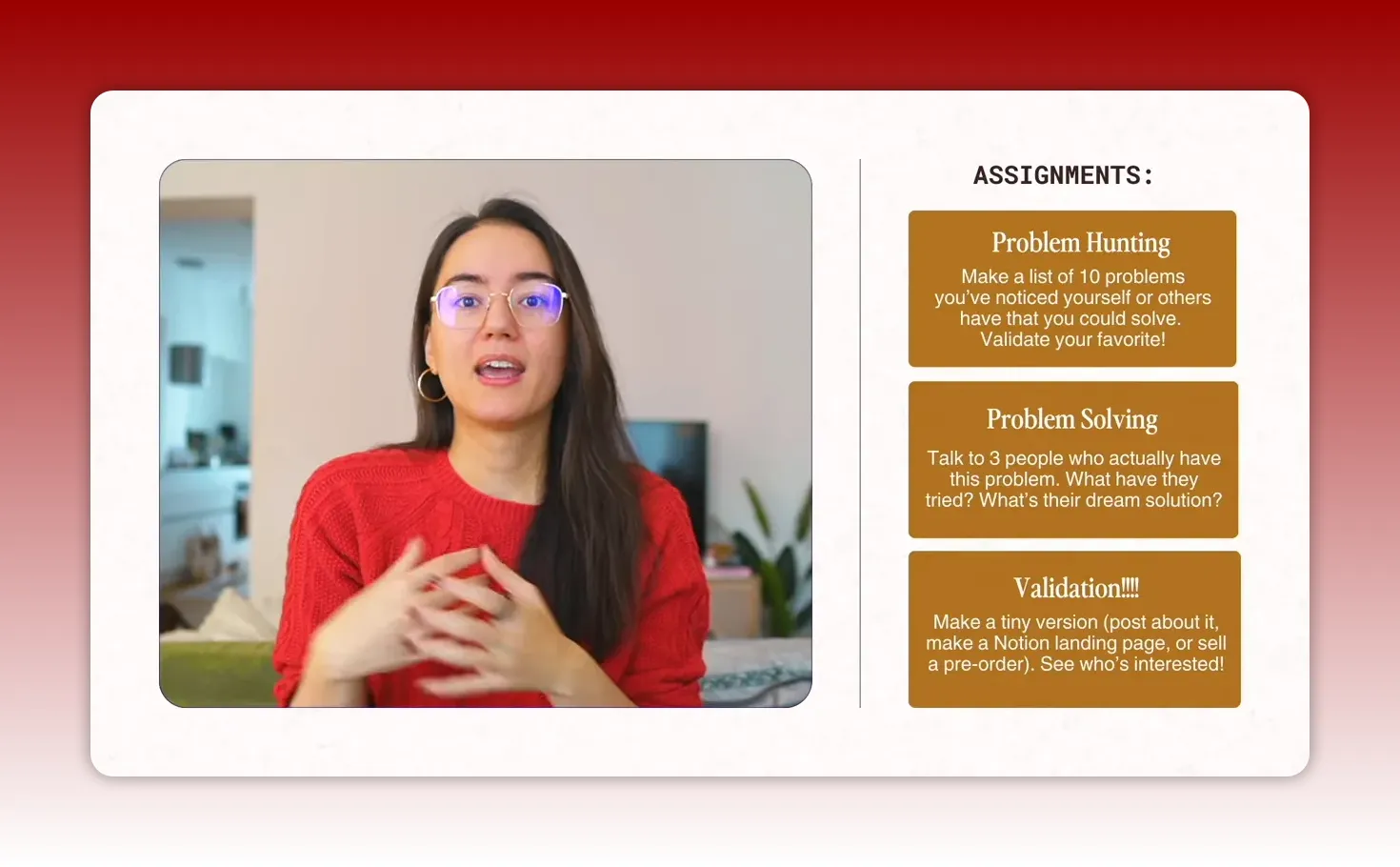
- Problem hunting. Business equals systemized problem solving. Make a list of 10 painful problems you or those around you face. The best ideas often come from a solved personal pain.
- Validation over creation. Test interest before sinking hours and dollars. A waitlist, a single "interest" email, or a small MVP reveal proves demand.
- Good ideas formula. A great idea solves a painful problem for a specific audience, is monetizable or sustainably fundable, and can be differentiated.
Practical assignments
- Problem hunting worksheet. List 10 problems and score them on pain, frequency, and willingness to pay or donate. For nonprofits, think about pain points for beneficiaries, volunteers, and funders.
- Talk to three real people. Ask what solutions they've tried, what failed, and what their dream solution would look like.
- Tiny MVP or waitlist. Post about the idea, set up a waitlist, or offer a single limited test to see if people sign up. Keep it cheap: an email, a simple landing page, or an Instagram post.
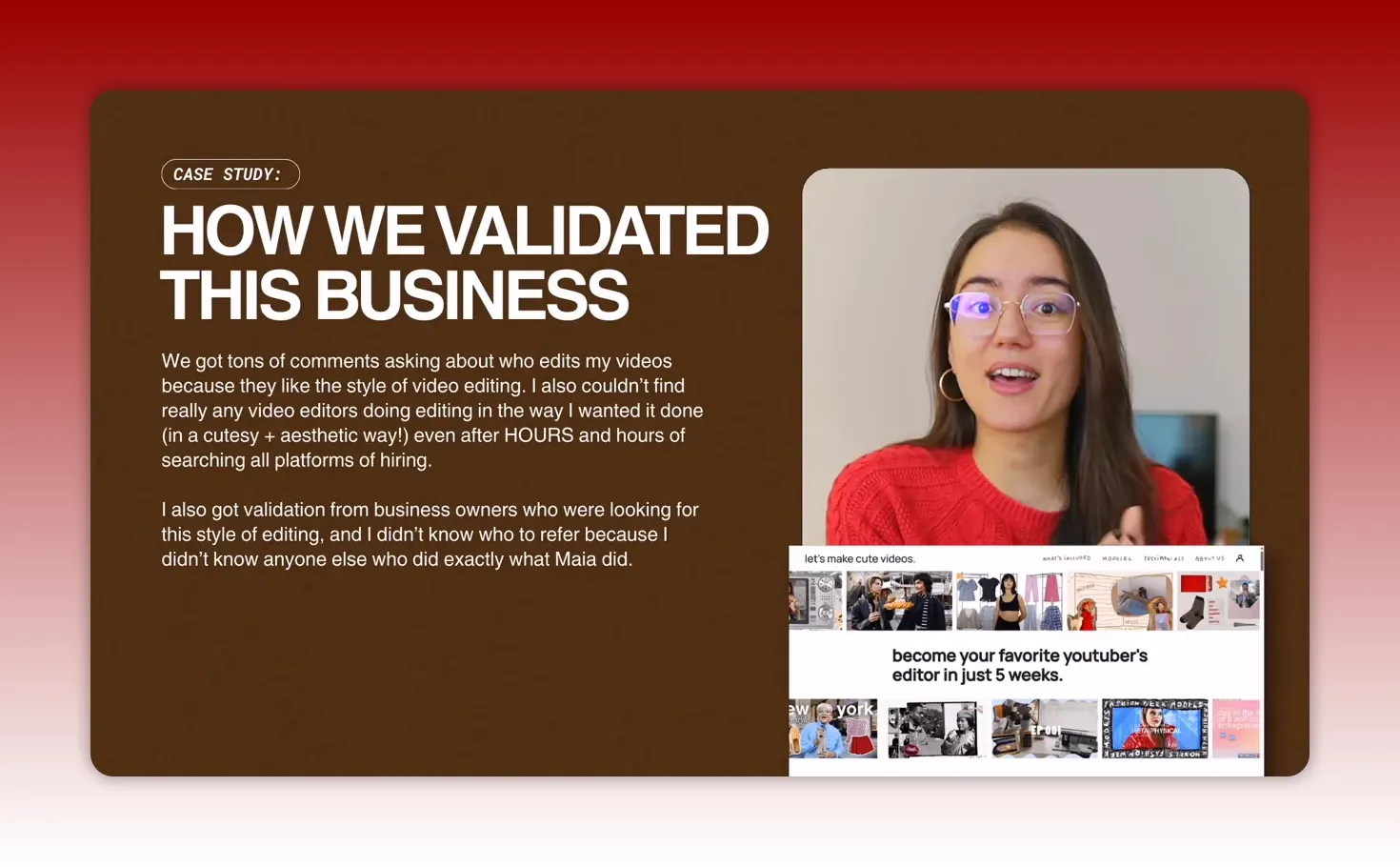
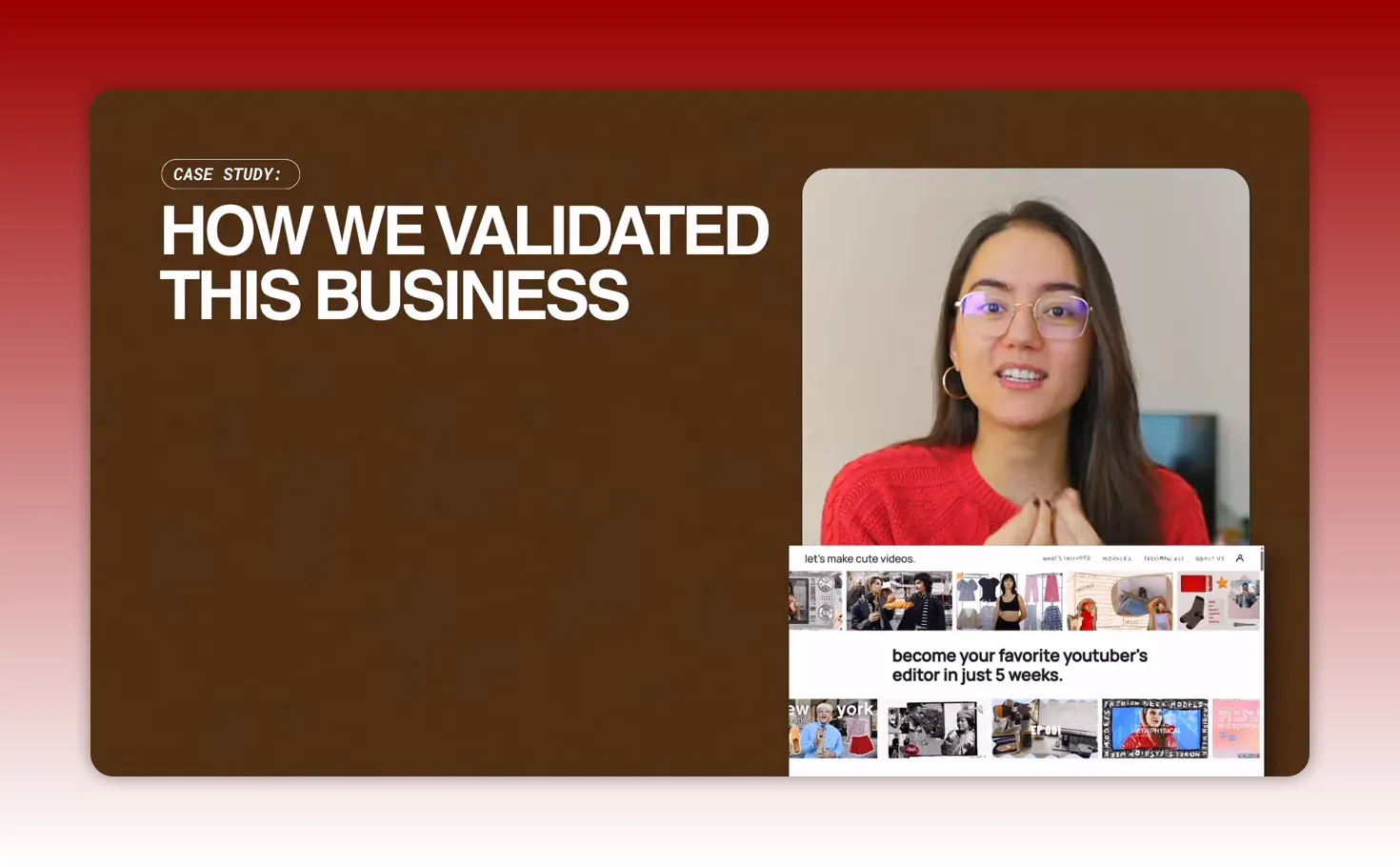
Example: a video editor training idea validated by a waitlist. When many people asked where a particular editing style came from, a simple waitlist revealed hundreds of potential customers before any course was built. That is product validation in action.
Validation metrics to track
- Number of signups on a waitlist.
- Response rate to outreach emails.
- Conversions on a simple paid test (even a $5 product is proof of willingness to pay).
- Qualitative feedback from interviews: desired features, price sensitivity, and timelines.
Pick your elective: what you need most right now
Electives are practical tracks to choose based on the current bottleneck in your organization or business.
- Traffic 101 — not enough eyes on your offer.
- Nurture 101 — people know you but don’t trust you enough to buy or donate.
- Sales 101 — people visit your pages or ask questions but do not convert.
Elective: Traffic 101 — get eyes on what you do
Traffic is simply people interacting with your channels. Stop being afraid of algorithms and experiment. Traffic is often the longest time and energy investment, but control what you can: platform selection, consistency, and learning from results.
Core focus
- Pick one platform and give it real focus.
- Test posting styles, hooks, and formats tailored to your audience.
- Double down on what works rather than spreading energy across ten channels.
Assignments
- Competitive market research. Find five similar businesses or nonprofits. What platforms do they use? What content types get the most engagement? Which posts repeat themes or messaging?
- Content experiment. Produce 5–10 pieces of content in a month inspired by your research, each with a clear hypothesis about what will engage your audience.
- Two visibility experiments. Examples: guest posting on a newsletter, pitching yourself for a podcast, running a small ad test, or collaborating with a complementary creator or organization.
Small nonprofits can use traffic experiments to recruit volunteers, grow email lists, or promote an event. A single viral story or an effective collaboration can create a disproportionate lift.
Case study: building audience before product launch
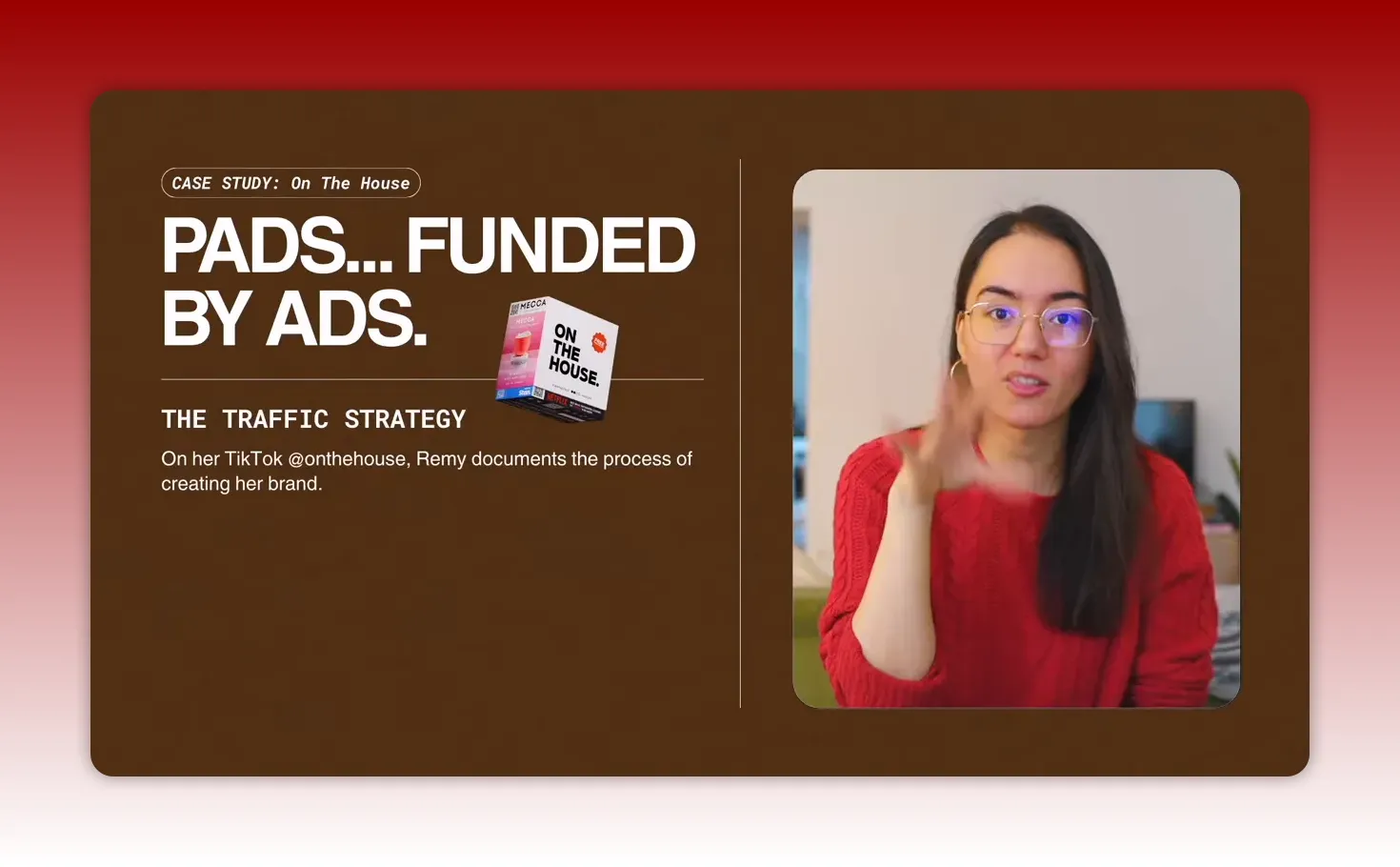
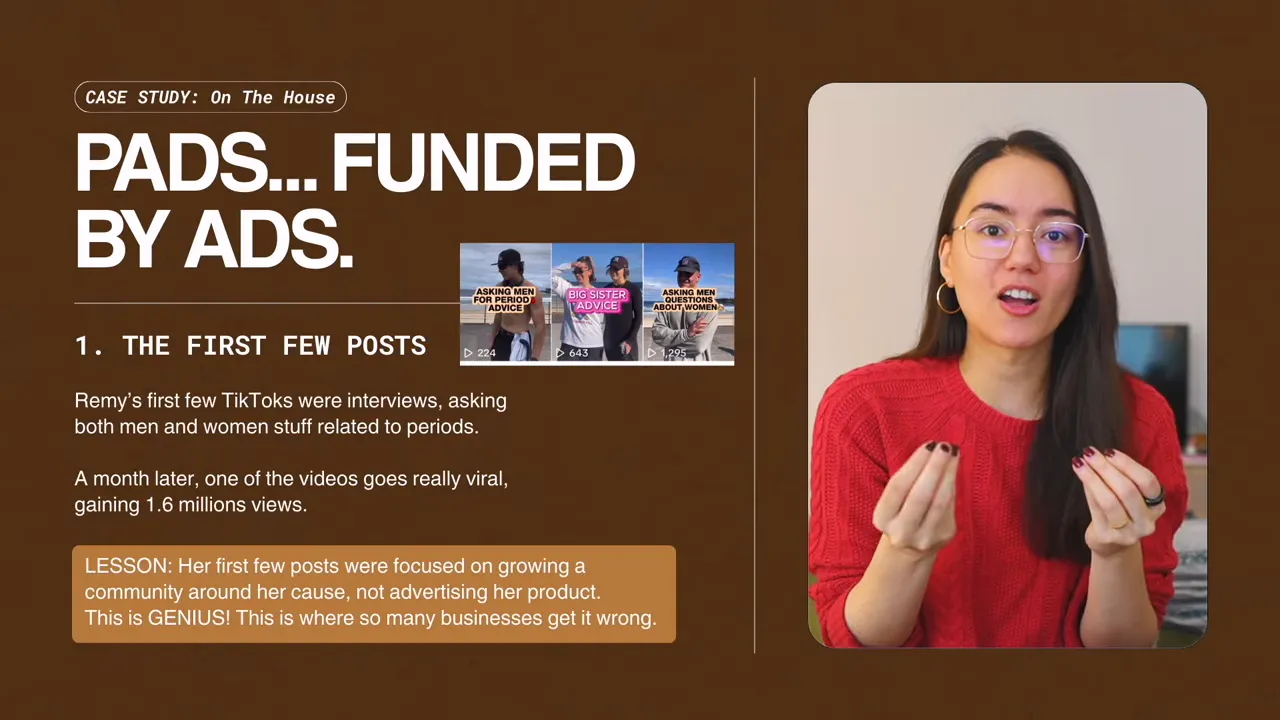
One brand documented its product development openly, interviewing people in the niche and asking questions. After consistent engagement and a viral post, tens of thousands of followers were amassed before a product sale page existed. This built trust and a waitlist, leading to easier launches and higher conversion rates.
Elective: Nurture 101 — turn curiosity into trust
Traffic gets attention. Nurture turns attention into purchase or support. Nurture is where you build credibility, clarify your offer, and guide people gently toward a decision.
Core modules
- Ethical marketing. Marketing should feel aligned with your values. Focus on the problem and who you are solving it for, not tricks or pressure.
- Writing practice. Much of nurture is writing: emails, captions, scripts, and donor appeals. Invest time in copy skills to communicate clearly and visually.
- Sales funnel basics. Map how someone discovers you, how they receive value, and what nudges them toward action.
Assignments
- Welcome sequence map. Design the first five interactions someone has after they sign up: welcome email, value email, story email, case study, and the soft offer.
- Writing drills. Draft emails, social captions, and one long-form piece that explains your offer clearly. Editing and rewriting are where clarity is forged.
- Community hours. Spend 10 minutes three times a week replying to comments, responding to DMs, or checking in with donors and clients. Personal connection matters more than audience size.
For nonprofits, nurture work can include tailored stewardship sequences for donors, regular impact updates for supporters, and onboarding sequences for volunteers. These deepen trust and increase lifetime support.
Elective: Sales 101 — sell without feeling gross
Sales is a conversation that helps someone move from curiosity to commitment. It requires practice, boundary-setting, and an offer that is easy to say yes to.
Core lessons
- Psychology of selling. Design the offer so it answers the question: what problem does this solve and why now?
- Negotiation basics. Hearing no is feedback, not failure. Use objections to learn and improve.
- Design irresistible offers. Structure price, urgency, social proof, and guarantees to make the decision straightforward.
Assignments
- Reverse-engineer a purchase. Pick a recent purchase you made and analyze the sales page. What elements made the sale inevitable? Use those patterns to design your own page.
- Outbound practice. Do 20 to 50 outreach attempts: cold pitches, DMs, emails, or in-person asks. Track responses, learn from no's, and iterate.
- Rejection research. For every no, record why. Ask politely for feedback. Use objections as data for product and message improvement.
- Make your first $10. If you have not yet sold anything, structure a micro-offer that you can sell quickly. Record the sale and what led to it.
For nonprofits, the sales equivalent is fundraising asks. Practice direct asks, test different donation amounts, and create a frictionless giving flow. Start with a low-dollar ask and scale based on donor responses.
Campus life: clubs, study groups, and creative experiments
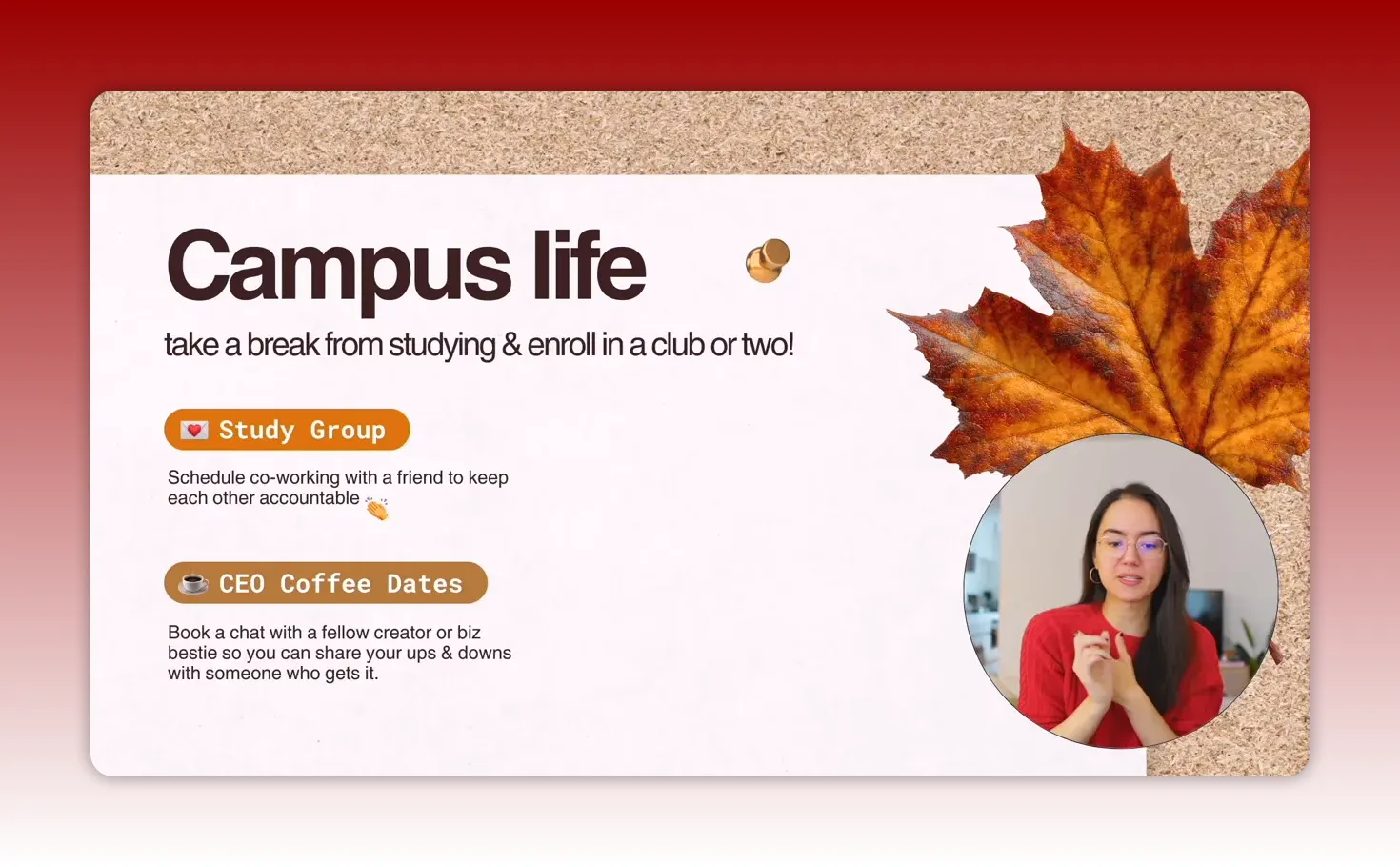
Business is social. Accountability, peer feedback, and co-working speed progress. Build your own campus life with:
- Study groups and weekly co-working sessions.
- CEO coffee dates with another founder or nonprofit leader.
- Join online communities relevant to your niche.
- At least once a week, do something creative and unmonetized to recharge and spark new ideas.
Optional workshop: Cozy entrepreneurship — sustainable, humane building
There is a culture of hustle and shame in entrepreneurship that lifts metrics but can burn people out. This workshop reframes success: build a business without sacrificing everything you love.
- Zero shame policy. Do your best, remove additional self-criticism, and stop equating worth with productivity.
- Set constraints. Limited office hours, a set number of tasks per day, and a focus on priorities keep you creative and sane.
- Design a manifesto. Write a short cozy business manifesto describing how your ideal business feels and what you will not sacrifice to get there.
For nonprofits this looks like honoring staff capacity, setting realistic fundraising timelines, and protecting mission-aligned rest. A humane approach to scaling reduces turnover and fosters sustainable impact.
Two quick case studies and what they teach
Case study 1: Training product validated by waitlist
A creator struggled to find editors who could produce a distinct, aesthetic editing style. Audience curiosity turned into questions: where did the editor learn that style? Instead of building a course right away, a waitlist was launched. Hundreds signed up, proving demand before production began. The lesson: the waitlist is a valid product test.
Case study 2: Remy’s ad-funded free product
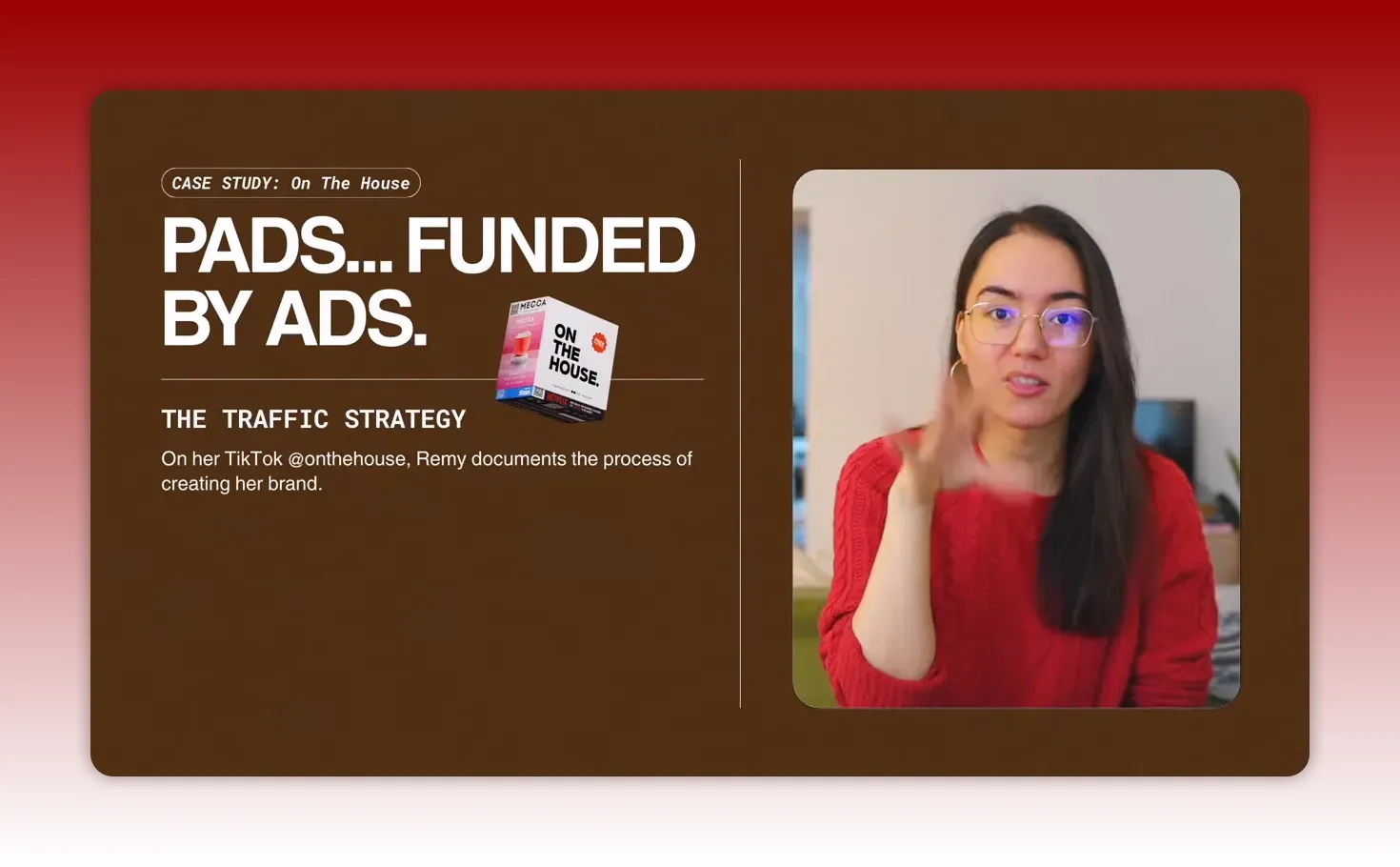
Remy created packaging-funded pads—ads printed on the product allowed the company to give pads away free. Instead of waiting for launch, she used TikTok to interview users, build community, and drum up interest. A viral early post created momentum and a built-in audience before a sales page ever existed. The lesson: start the conversation early and document process to create hype and trust.
Concrete 8-week roadmap
If structure helps you, here is a practical 8-week plan to carry you from idea to first sale or first donor. Adjust pace based on your bandwidth.
Weeks 1–2: Mindset & problem definition
- Daily: 15 minutes Tiny Tasks (mindset work, small writing, outreach).
- Assignment: list 10 problems and pick top 2 to test.
- Talk to three real people per idea.
Weeks 3–4: Rapid validation
- Create a simple waitlist or one-page MVP for each idea.
- Run two visibility experiments: an organic post and one collaboration or small ad.
- Track conversions and qualitative feedback.
Weeks 5–6: Build the basic offer & nurture
- Design a welcome sequence and 3 value-first content pieces.
- Write and polish a simple sales page or donation page based on feedback.
- Start community hours: reply to every comment or email for a week.
Weeks 7–8: Sales practice & launch
- Do 20–50 outreach asks: cold emails, DMs, or in-person asks.
- Track no's and capture reasons.
- Close your first micro-sales or donations; celebrate the $10 test.
After eight weeks you will have a tested idea, a small audience, an offer, and the start of a sales muscle. Repeat and refine.
Adapting this curriculum for small nonprofits
Nonprofits share many of the same challenges as small businesses: limited bandwidth, need for funding, and the importance of trust. Apply these adjustments:
- Product = program impact. Frame your "product" as the specific outcome beneficiaries receive. Validate with small pilots, focus groups, or a volunteer-run pilot event.
- Traffic = awareness campaigns. Use storytelling to highlight beneficiaries and outcomes. Partner with aligned organizations for joint visibility experiments.
- Nurture = stewardship and transparency. Design email sequences for donors that show impact quickly and often. Use short video updates and clear financial reporting to build trust.
- Sales = fundraising asks. Test different ask amounts, channels, and messages. Track who gives repeatedly and build tailored stewardship for those segments.
- Grant validation. Before applying broadly, pilot the program with a small grant or community fund to generate evidence for larger funders.
Tools and readings (practical shortlist)
These resources are lightweight and practical; use them as quick references rather than textbooks you must finish top to bottom.
- Mindset: The Mountain is You; The War of Art; Playing Big.
- Idea validation: Create a waitlist, simple landing page builders, or a lean survey tool.
- Traffic: Start with one platform and a simple content calendar. Tools: scheduling tool, analytics, and a basic design app (Canva).
- Nurture: Email platform with automation, templates for welcome sequences, and simple copywriting exercises.
- Sales: Scripts for outreach, a basic CRM or spreadsheet for tracking, and templates for donation asks or pricing pages.
Practical tips that matter
- Start public, not perfect. Share progress, not perfection. Documenting wins and learning builds trust and authenticity.
- Focus beats variety. Choose one platform and one offer. Test, learn, then expand.
- Use constraints as creativity fuel. Limit hours, not ambition. Constraints force better decisions.
- Honor the small wins. The first paid customer, the first donor, the first volunteer who stayed: celebrate and capture learnings.
- Collect feedback relentlessly. Every no or pause is feedback. Ask why and refine accordingly.
FAQ
How do I know which elective to choose first?
Pick the elective that solves your immediate bottleneck. If people do not know you exist, start with Traffic 101. If people find you but do not trust you enough to buy or donate, choose Nurture 101. If people are in your funnel but not converting, choose Sales 101.
I only have 2–3 hours a week. How can I make progress?
Commit to a 15-minute Tiny Tasks slot every day. Use one weekly 90-minute deep work session. Prioritize one experiment per week — for example, one outreach email, one social post, or one short interview. Small, consistent steps beat irregular long marathons.
How do I validate an idea without spending money?
Use waitlists, simple landing pages, social posts asking for interest, surveys, and interviews. Offer a low-cost pilot or ask for a small prepayment as proof of willingness to pay. For nonprofits, run a small pilot program and collect participant stories as validation.
What if I’m afraid to sell or ask for donations?
Practice small asks first. Try a $5 micro-offer or a friendly donor check-in. Reframe selling as helping someone solve a problem or enabling impact. Track responses and use rejection research to refine your pitch. Hearing no is data, not a personal failure.
How do I balance growth and maintaining mission or values?
Write a short manifesto that defines nonnegotiables — what you will not sacrifice for growth. Use that manifesto as a filter for partnerships, hires, and offers. Prioritize sustainable revenue or funding sources that align with your mission.
Final notes: momentum matters more than perfection
The point of a curriculum is not to make you an expert on paper. It is to build muscle memory for making decisions, testing hypotheses, and learning from real people. Whether you are a solo founder, running a small team, or scaling a small nonprofit, the same management of fear, validation, and consistent action applies.
You will make mistakes. Good. Treat them as data. Rejection is not personal; it is information you can use to sharpen the offer. Tiny consistent action beats grand planning with no movement.
If you are stuck, re-read your future self letter. Ask: what would she do in this situation? Then take one tiny step that approximates that future behavior.
Go build something you love that serves people. The rest is learnable.
Resources
- The Mountain is You — for self-sabotage and mindset work.
- Playing Big — for choosing your dreams over fear.
- The War of Art — for recognizing and working with resistance.
- Million Dollar Weekend — for quick ideation and testing approaches.
- Books on funnels and ethical marketing — for building trusted systems that convert.
This article was created based on the video how to study business WITHOUT business school.


