
Most small businesses and nonprofits obsess over virality. They chase trends, try to be everywhere at once, and confuse vanity metrics for business impact. There’s a better way: build a content system that prioritizes trust, utility, and sustainability. The approach below is practical, repeatable, and written specifically for teams with limited time and tight budgets.
Why chasing viral is usually the wrong play
Virality feels seductive: sudden spikes in views, new followers, ego-boosting numbers. But for organizations selling a specific, high-value service or serving a focused mission, viral reach often brings the wrong crowd. You can win attention without winning customers.
Going wide to chase shares dilutes the message. Think of your content like a shot of straight whiskey versus a whiskey and Coke. The whiskey-and-Coke (viral, broad content) attracts a lot of people who want more of the same surface-level stuff. The straight whiskey (narrow, deep, high-trust content) attracts the people who actually need your service and will pay for it.
The problem many organizations face: as they chase broad attention they lose their original, high-intent audience. Views and followers go up while conversions drop. For small teams, that’s a dangerous trade-off.
Trust-first content: the framework that converts
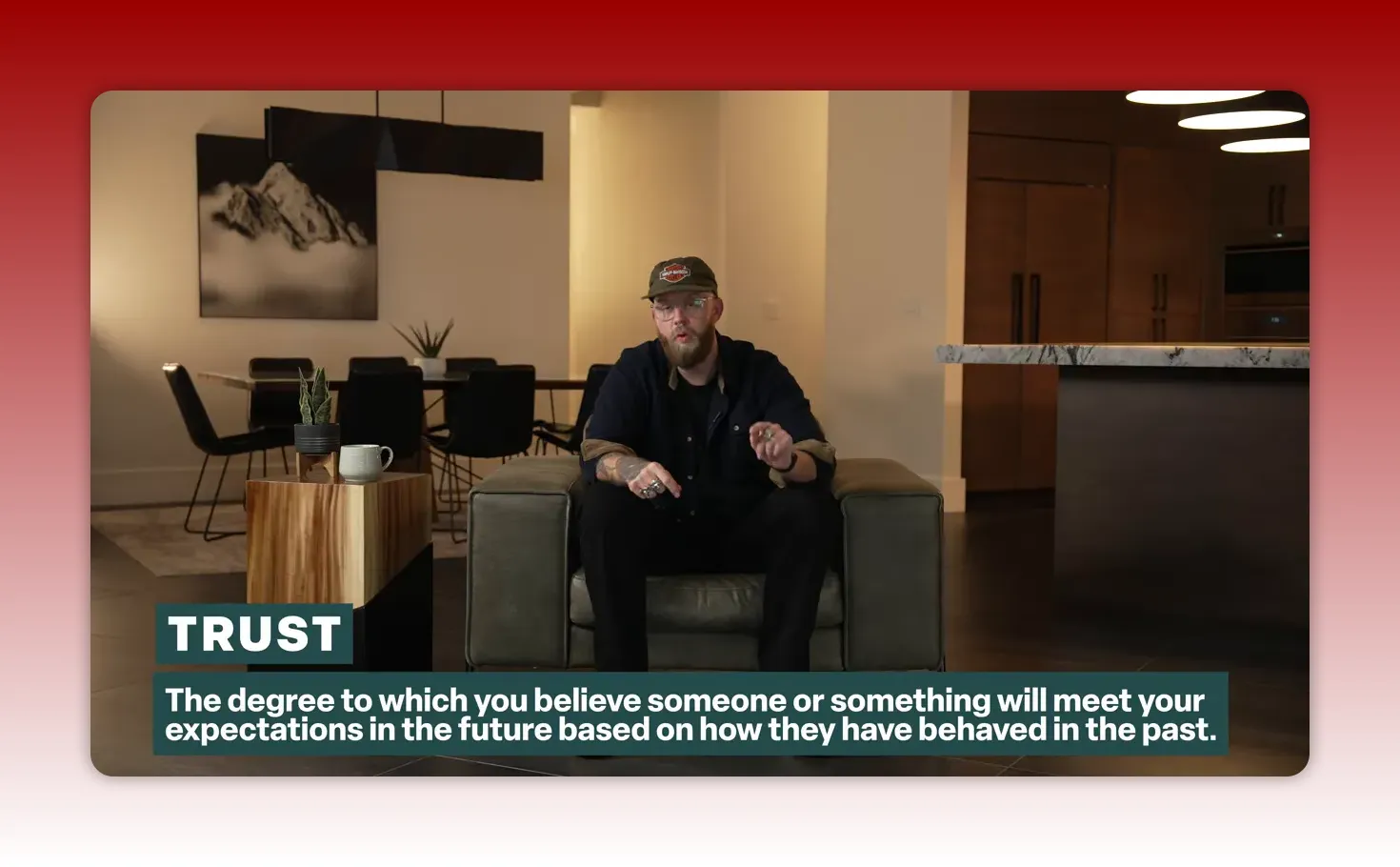
Trust is simple to define and easier to build than most realize. Trust is how much someone believes you will meet their expectations in the future based on how you’ve behaved in the past.
To optimize content around trust, follow these four steps every time you publish:
- Identify the painful problem your audience is actually facing.
- State your unique solution—what you do a little differently and why that matters.
- Set clear expectations for what this content will (and will not) do.
- Make the next action obvious and simple so people can move from idea to outcome.
Repeat those steps consistently and you build a predictable pattern of results. When people see you produce outcomes repeatedly, they’re far more likely to become customers or donors because they expect you’ll deliver more value than the cost.
Build a sustainable content system (because you will quit otherwise)
Up to 73% of people who start making content stop within a year. The reason is usually simple: they set an unsustainable cadence based on what other creators do, not on what their life and business allow.
A system that lasts has three inputs:
- Your business constraints: deadlines, fundraising cycles, product launches.
- Your life constraints: family, full-time work, staff capacity.
- Your experience constraints: comfort on camera, editing skills, public-facing experience.
Reverse-engineer your system from those realities. If you have two hours a week, design a process that fits two hours a week. If you have a small team, create batch days for filming and a repurposing workflow. If being on camera terrifies you, start with written or audio content and expand later.
Pick the right medium and platform
There are four primary mediums: video, audio, written, and graphic. Pick the one you can sustain and that aligns with your strengths.
Video delivers the most repurposing options—clips, podcasts, transcripts for newsletters—so it often gives the biggest ROI. But if video is deeply uncomfortable for your team, do not force it. Consistency wins over format.
Platform selection should follow your medium and where your ideal audience spends time. For most small organizations with limited resources:
- One primary platform to innovate on.
- One secondary platform for repurposed content.
Example: make pillar long-form video on YouTube, and repurpose clips for Instagram. If you have a small team, you can expand to three primary platforms.
The I-of-Sauron approach to platform focus
Focus on innovation on a single platform at a time. Keep other platforms on maintenance mode with formats that you already know work. When the main platform is dialed, move the focus to the next. This reduces burnout and increases the likelihood you actually improve performance rather than spreading yourself thin.
Cadence: start small, increase intentionally
Don’t copy a creator with a large team. Start with a cadence you know you can sustain and schedule incremental increases. It is easier to add volume than to reduce it after you’ve set expectations with your audience.
The single most important habit: choose a cadence now and commit to increasing it predictably over time. That is how you transform short bursts into long-term compounding growth.
Two practical frameworks to keep you on track
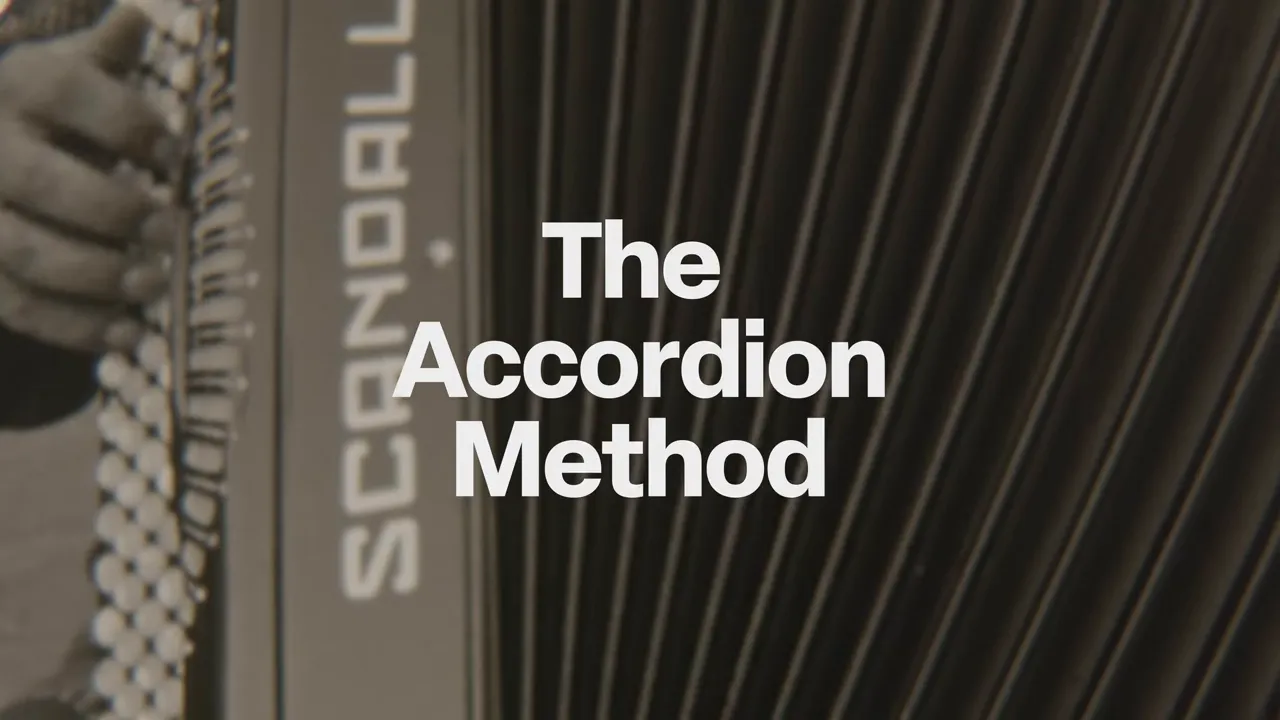
Accordion method
Expand and contract your output like an accordion:
- Start expanded (high volume). Use quantity early to discover what your audience calls quality.
- Once you identify winners, contract: create fewer, higher-effort pieces focused on what works.
- When those become stale, expand again to gather new signals.
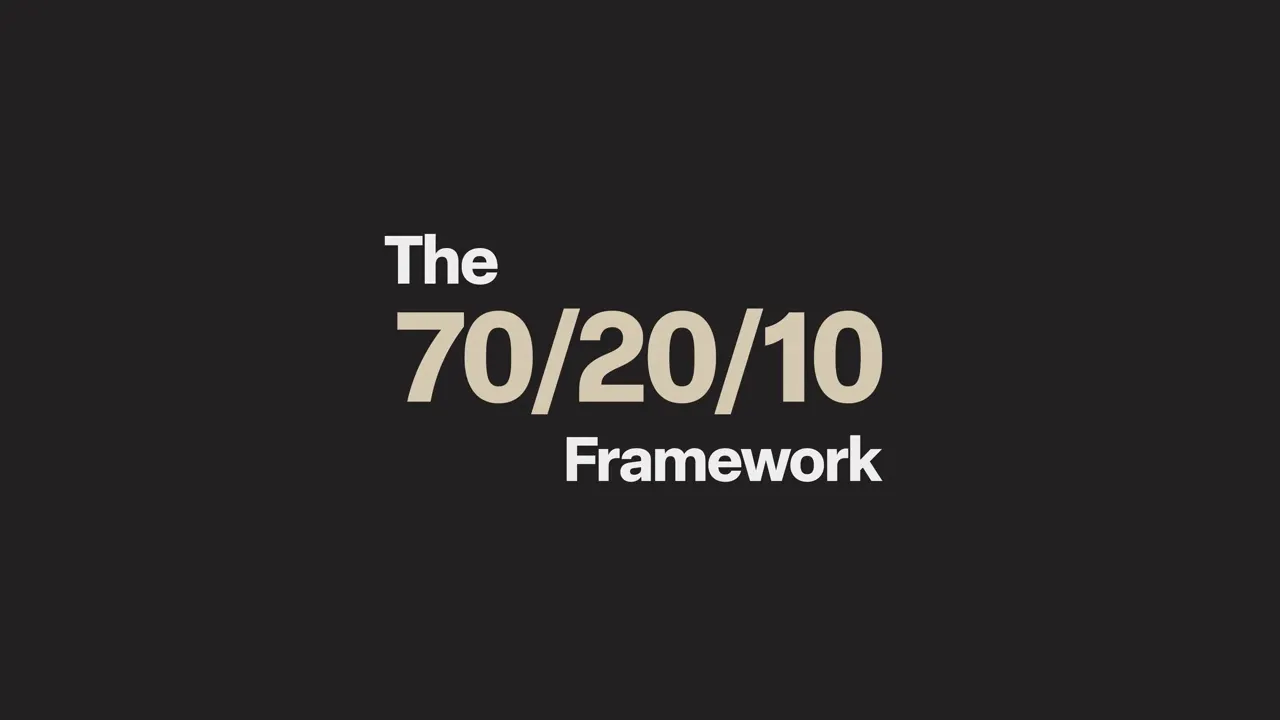
70 - 20 - 10 content mix
Allocate your output this way for predictable performance and innovation:
- 70% — Content you know works (based on accordion learnings).
- 20% — Iterations of the 70%: tweak the hook, setting, or format to slowly improve.
- 10% — Big swings and experiments. Use this to discover the next winner, not as your main output.
Where ideas should come from
For customer-driven content, the best source is your customers. Not the most vocal people in public comments, but the people who actually pay, email, DM, or ask follow-up questions after a call.
For small nonprofits and local businesses, talk to your supporters and beneficiaries. Ask what keeps them up at night. What obstacles stop them from taking the next step? Those painful problems are the raw material for content that builds trust.
The gift formula: problem + unique solution × credibility + wrapper
Turn customer pain into content with this formula:
Problem your customer faces + your unique solution
× contextual credibility
+ proven wrapper (packaging) = effective content
Contextual credibility is a short, specific proof point tied to the topic. If a post is about building a media team, lead with "I scaled a media team from 0 to 18 full-time members while improving content performance quarter over quarter" rather than vague career totals.
Delivery: be yourself, not a copycat
Delivery is the second-most powerful lever for standing out. The first is a contrarian belief; the second is how you say it.
Stop building alter egos. Your delivery should be the authentic version of how you communicate in real life. If you’re calm, be calm. If you’re dry and witty, use that voice. Pretending to be someone else burns people out and makes your brand feel hollow.
If you struggle to communicate clearly, try this test: explain the same concept to three different people in three different scenarios. If you can do that, you understand it well enough to teach it.
Use game tape reviews
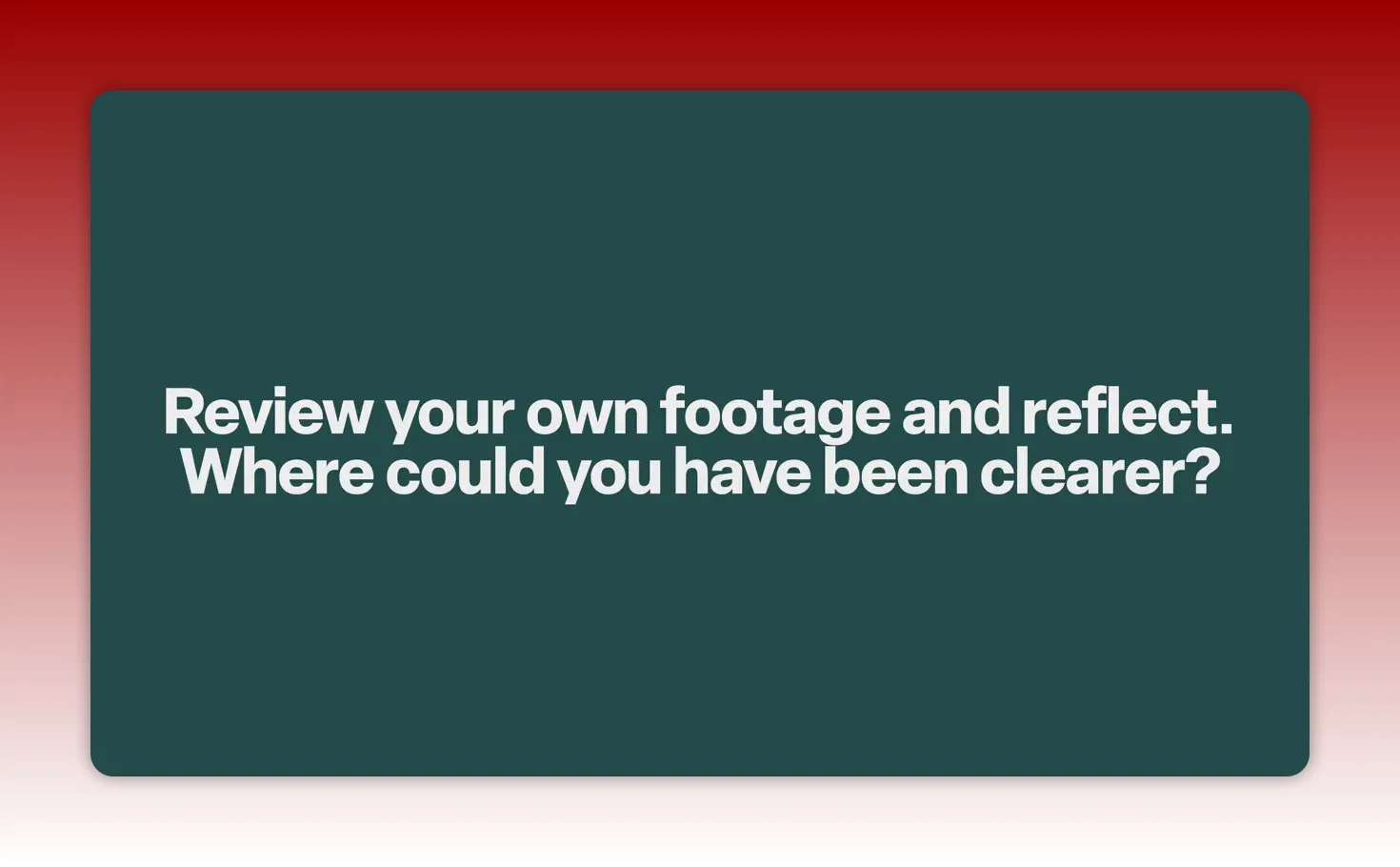
Review your recordings like athletes review game tape. Note what was clear, what dragged, and where you lost the main point. Edit the delivery and practice clearer, shorter answers. Small improvements compound.
Wrapping paper: packaging that gets clicks
The best idea and delivery are invisible if no one opens the post. Packaging—the title, thumbnail, hook, and format—is the only advantage you have before a person clicks.
Build a wrapping paper library—an organized collection of post ideas, thumbnails, hooks, and formats that inspire you. Save screenshots from platforms and categorize them by format: hooks, thumbnails, carousel layouts, lead-ins for LinkedIn posts, short-video structures, and so on.
Two practical sources for packaging inspiration:
- OneOfTen and other curation sites for standout thumbnails and hooks.
- Direct platform browsing—save top-performing posts into categorized folders.
When you’ve got a problem-plus-solution ready, scroll your wrapping paper library and pick the wrapper that makes that gift irresistible.
Deep vs wide vs personal: a practical content diet
Forget the binary debate between deep and wide. You need both, plus the personal thread that only you can offer.
A useful ratio to follow (flexible by ±10 points):
- 75% deep content — teach frameworks, solve core problems, show tactical steps.
- 20% niche-wide content — broader topics still relevant to your audience; helps discover new viewers.
- 5% personal content — small, authentic touches that show humanity and create multiple connection points.
For small nonprofits, the "personal" slot might highlight a beneficiary story, a staff passion project, or a behind-the-scenes moment. For local businesses, it might be a short story about the founder or the community event you sponsored. Sprinkle those personal details into your deep and niche-wide posts to build more ways for people to connect with you.
Structure your content so people learn and act
Retention hacks for entertainment don’t apply the same way to educational content. Their quick graphics and rapid cuts can distract learners. If your goal is behavior change—donations, sign-ups, bookings—structure must maximize learning.
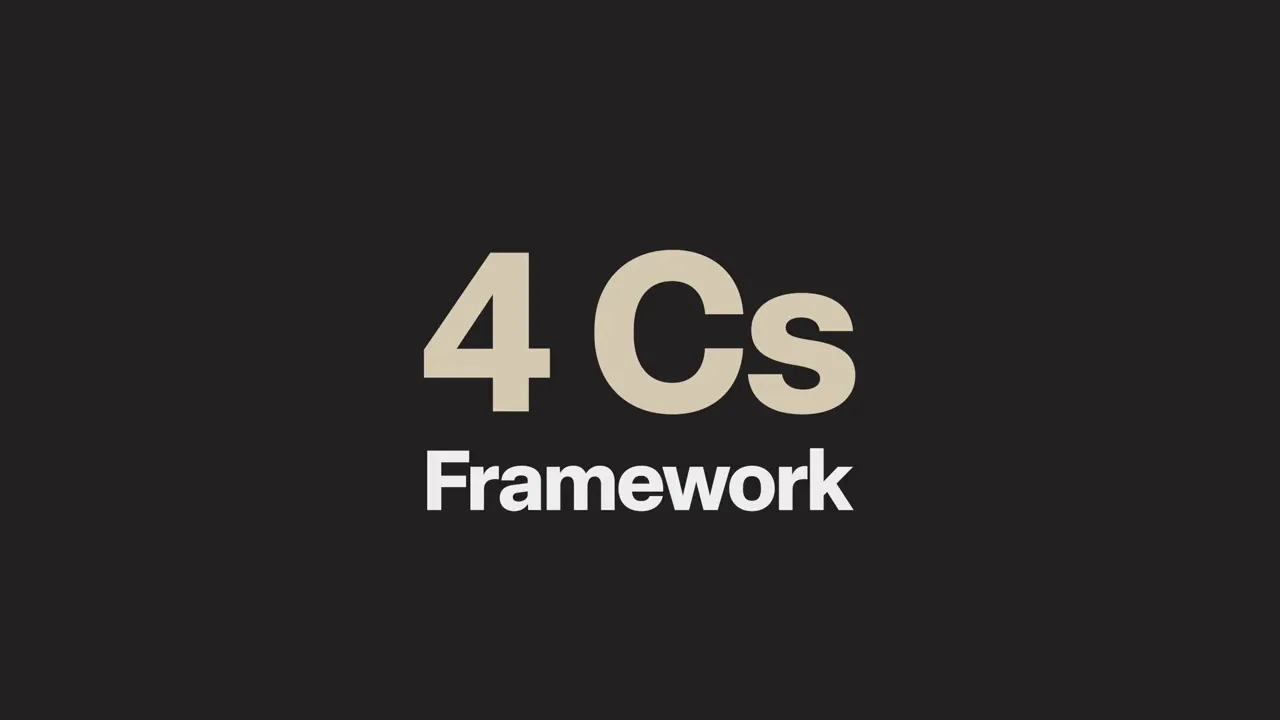
Use the Four Cs framework for intros and packaging:
- Call out — Who is this for? (The audience's identity or problem.)
- Credibility — Short contextual proof for why they should listen now.
- Compass — A roadmap: this is what we will cover and why it matters.
- Core learning — Give a useful, actionable nugget quickly to prove value.
Getting learners to a "first win" within the opening minute builds belief that the rest of the content will continue to deliver. People’s patience is limited; earn it fast.
Repurposing the right way: the waterfall method
Repurposing is not copy-and-paste. The waterfall method starts with one pillar piece and extracts platform-native content from its strongest moments.
- Create a pillar long-form piece (for many, this is a long-form video or a comprehensive article).
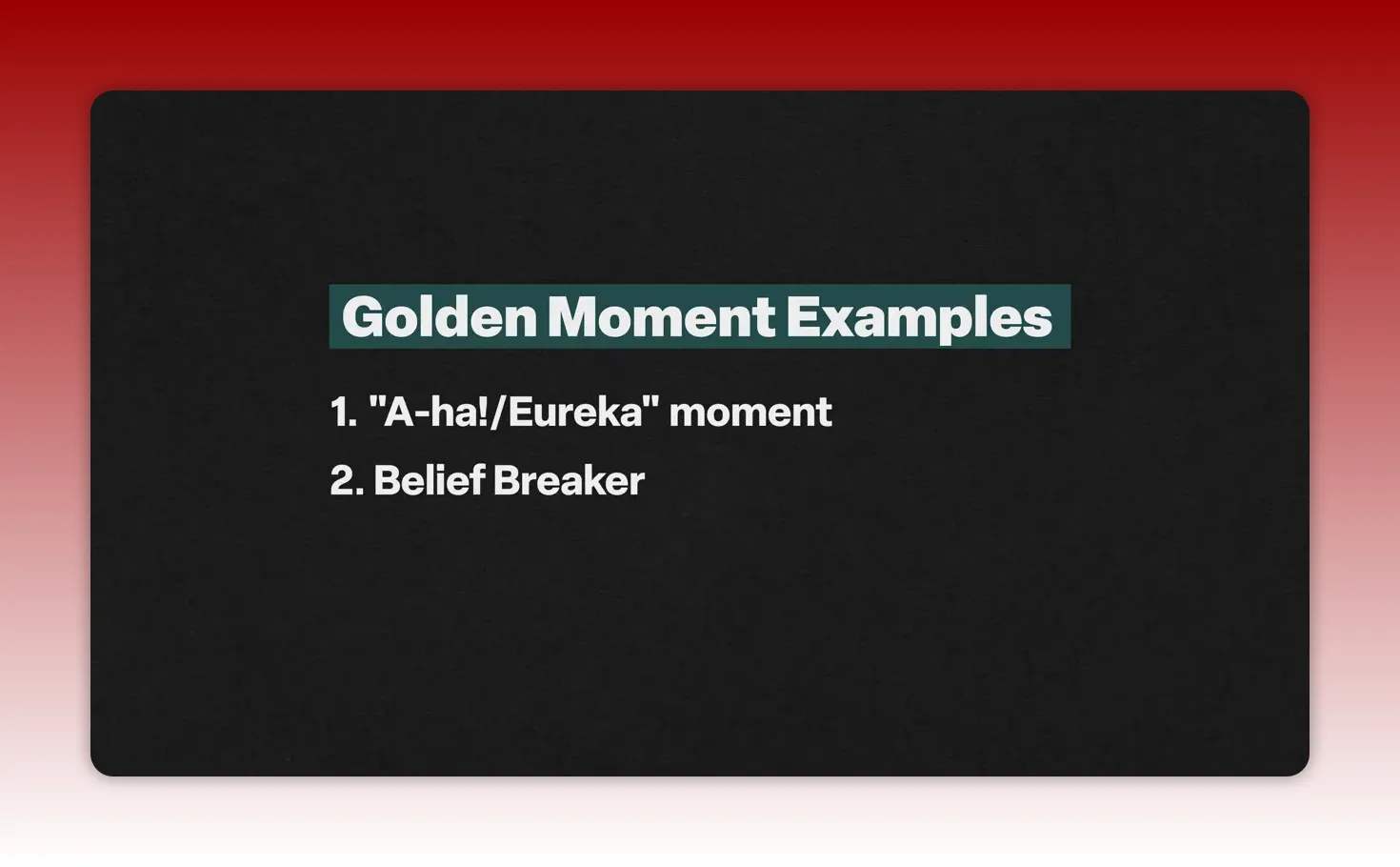
- Mine it for golden moments: self-contained clips that deliver an "aha" or a tactical step.
- Rewrap those moments into native formats for other platforms (shorts, carousels, LinkedIn posts, newsletter sections).
Look for self-contained clips. Avoid harvesting random two-minute segments that only make sense with surrounding context. A good clip stands alone.
First three pieces to create (fast-start plan)
If you are starting or restarting, make these three pieces first. They set expectations, establish expertise, and give you source material for months.
1. Introduction video or long-form piece
Share three to five pivotal moments in your journey paired with a lesson for the audience. This is not a resume dump. Each story should end with a clear, actionable takeaway that the reader or listener can use immediately.
Close by telling people what to expect from you going forward. This frames every future interaction and sets a trust baseline.
2. Positioning deep dive (25+ minutes recommended)
Teach the subject you want to be known for through a clear contrarian lens. Explain the core belief that differentiates your approach and walk through the few big breakthroughs people need to adopt to get the desired outcome.
This is your cornerstone content. It should change how your audience thinks about the problem and make implementation straightforward.
3. Experimental piece
Try a format or style that you are curious about—a scripted ride-along, a story-driven short, a highly produced demo, or a day-in-the-life with embedded lessons. Anchor the experiment to one useful idea so it still delivers value.
Evaluate two things afterward: did your team enjoy making it, and did the audience respond? If both answers are yes, add that format to the rotation at a sensible cadence.
Checklist for small businesses and nonprofits
- Pick one primary platform and one secondary platform. If you have a small team, choose up to three primary platforms.
- Run the accordion method for your first 12–20 posts to find what resonates.
- Follow 70-20-10 for ongoing output.
- Create and maintain a wrapping paper library of hooks, thumbnails, and formats.
- Build content around customer pain, your unique solution, and short contextual credibility lines.
- Prioritize teaching and action over entertainment when your business goal is conversions.
- Repurpose from pillar content using the waterfall method—mine golden moments, then rewrap for each platform.
- Keep your cadence realistic, then increase it predictably.
Practical examples for small organizations
A neighborhood food pantry:
- Primary platform: short educational videos on YouTube about how to run a donation drive.
- Secondary: Instagram clips and a weekly newsletter (reusing transcript excerpts).
- 70% content: step-by-step guides to collecting and storing donations.
- 20% content: broader community tips, like partnering with local businesses.
- 5% content: volunteer profiles and a behind-the-scenes pantry day.
A boutique marketing consultancy:
- Primary: long-form positioning masterclass on the agency’s website and YouTube.
- Secondary: LinkedIn posts that expand on client questions (repurposed from the masterclass).
- 70%: tactical walk-throughs that solve client problems (funnels, proposals).
- 20%: industry-level topics (team culture, pricing strategies).
- 5%: founder stories and operational lessons.
Common mistakes to avoid
- Chasing viral formats that do not line up with your offering.
- Building a content persona you cannot sustain in daily life.
- Ignoring customer DMs and private questions in favor of public comment trends.
- Repurposing lazily—posting identical clips everywhere instead of repackaging natively.
- Skipping the packaging step and hoping good content will get discovered unwrapped.
Frequently asked questions
How do I choose the best platform for my small nonprofit or business?
Match your medium to where your ideal supporters spend time. If your community consumes video, focus on one video platform and repurpose. If your audience prefers long-form reading (donors, professionals), prioritize email and LinkedIn. Ask existing customers or supporters directly; their habits are the best signal.
What if I only have 1–2 hours per week to make content?
Design a system for that window. Batch a single pillar piece monthly and repurpose it. Document rather than produce elaborate shoots. Use audio or written formats if they’re faster for your team. The key is consistency and slowly increasing cadence as capacity grows.
Can I mix entertainment and educational content?
Yes, but be intentional. If your goal is conversions or impact, prioritize educational content that makes it easy to act. Use entertainment sparingly within the 10% experimental or the 20% iteration buckets to test engagement without sacrificing trust.
How do I measure whether content is building trust?
Look beyond views. Track actions that indicate belief: DMs asking how to implement your advice, email signups, meeting requests, donations, and direct responses that show people took your recommended step. Over time, measure conversion rates from content-engaged audiences.
How can a small team build a wrapping paper library efficiently?
Schedule short discovery sessions (30–60 minutes weekly or bi-weekly). Use OneOfTen, platform search, and saved posts. Organize screenshots by format and hook type in a shared Notion or Google Doc. When a content idea exists, pull the most relevant wrapper rather than inventing one under deadline.
Final note
A content strategy that prioritizes trust, clarity, and sustainability will compound for small organizations. Focus on the problems your customers or beneficiaries have, communicate one unique solution at a time, and make it dead simple for people to act. Build systems that match your capacity and keep experimenting. Over years, consistent, useful content turns attention into real business or mission results.
Start with your first three pieces: an introduction that pairs story with lessons, a deep positioning piece, and one experiment. Use the frameworks above and iterate. The long play wins.
This article was created based on the video Complete Content Strategy to Get Customers In 2026.


