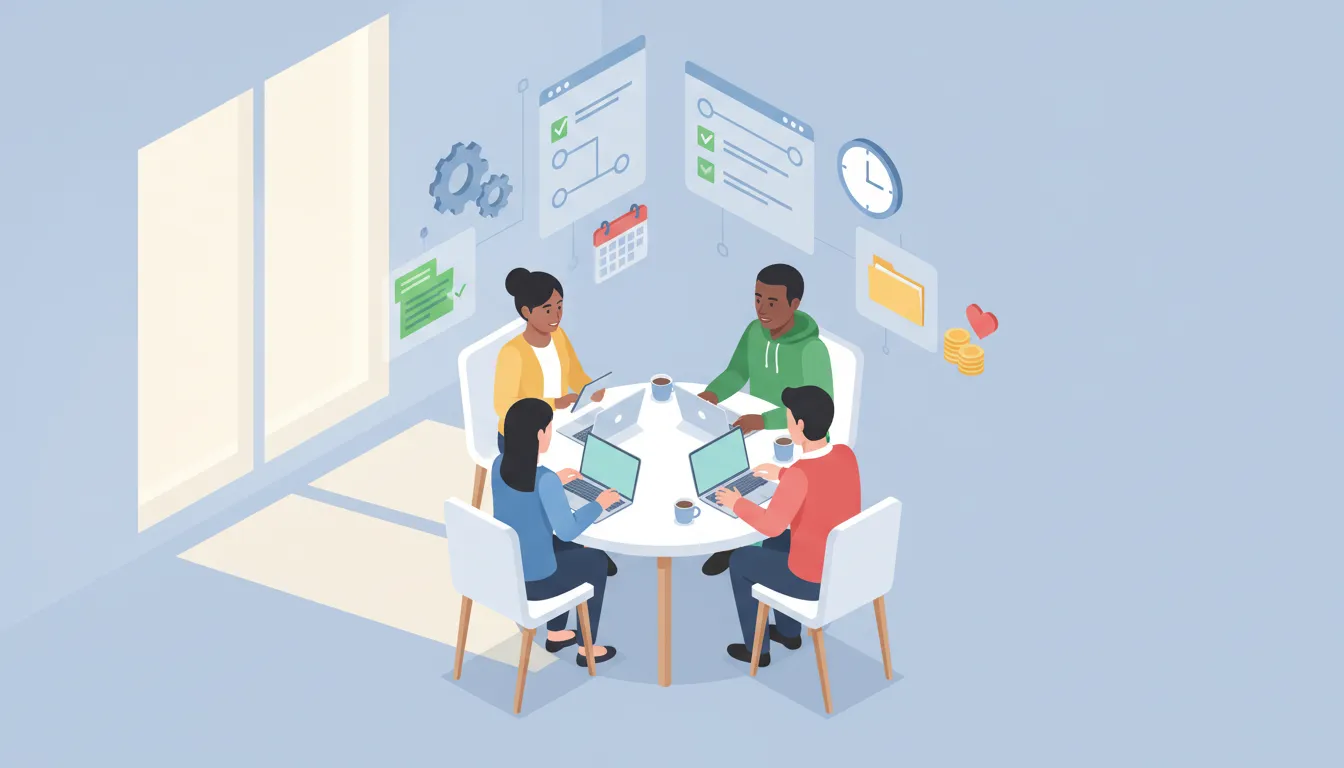
Business Process Management (BPM) is a practical, repeatable way to map, measure, and improve the work that keeps your organization running. For small businesses and nonprofits with tight budgets and limited staff, BPM isn’t bureaucracy — it’s a toolkit for clarity, efficiency, and sustainable growth. This guide explains the core concepts, real-world applications, and affordable tools you can use to start improving processes today.
Why BPM Matters for Small Organizations
Small teams juggle many roles, so inefficiencies hit harder. A single recurring bottleneck—late invoices, missed donor follow-ups, inconsistent volunteer onboarding—costs time and money and erodes trust. BPM helps you identify those recurring patterns, decide which ones to fix first, and put lightweight controls in place so the organization scales without chaos.
Key benefits especially relevant to small businesses and nonprofits:
- Faster operations: shorter cycle times for sales, projects, or service delivery.
- Lower costs: fewer manual steps and fewer errors reduce waste.
- Better quality and consistency: customers, clients, and donors get the same reliable experience every time.
- Greater agility: simple, data-driven changes let you respond quickly to new opportunities or constraints.
- Stronger compliance and accountability: especially important for regulated sectors or donor-funded projects.
What Is BPM? The Simple Definition
BPM is the discipline of identifying, designing, executing, monitoring, and improving business processes. A business process is any repeatable series of tasks that produces value—like onboarding a new customer, processing a grant, or shipping an order.
Think of BPM as a continuous loop: discover how work actually happens, model a better way, test it, put it into practice, measure outcomes, and then refine again.
The Goals of BPM
When you start a BPM initiative, prioritize goals that align with your mission and capacity. Typical goals include:
- Aligning processes with strategy: ensure daily work supports the organization’s top objectives.
- Increasing efficiency: automate or streamline repetitive tasks.
- Reducing costs and waste: eliminate steps that add no value.
- Improving quality and customer experience: consistent, reliable outcomes build trust.
- Supporting data-driven decisions: use simple metrics to guide improvements.
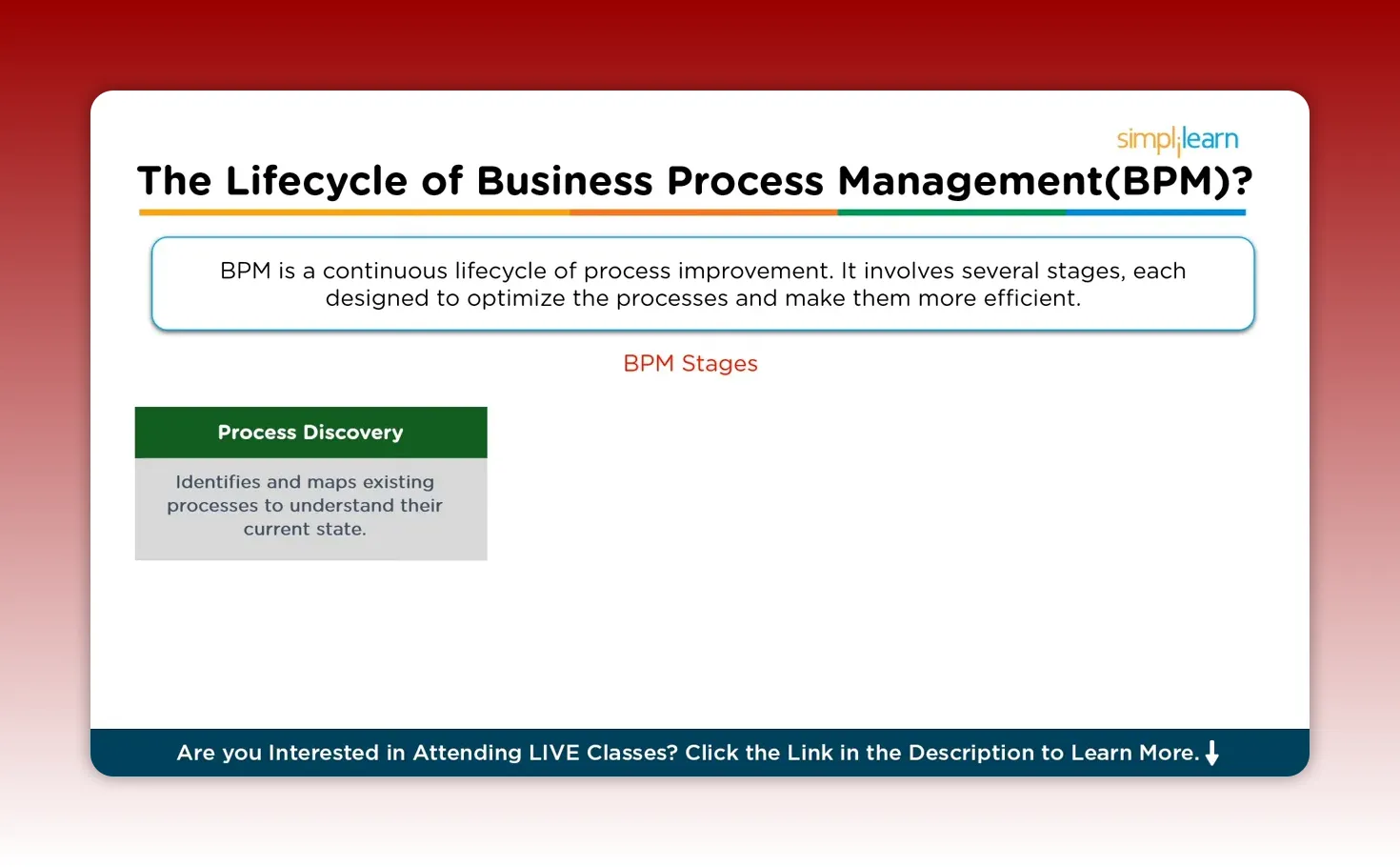
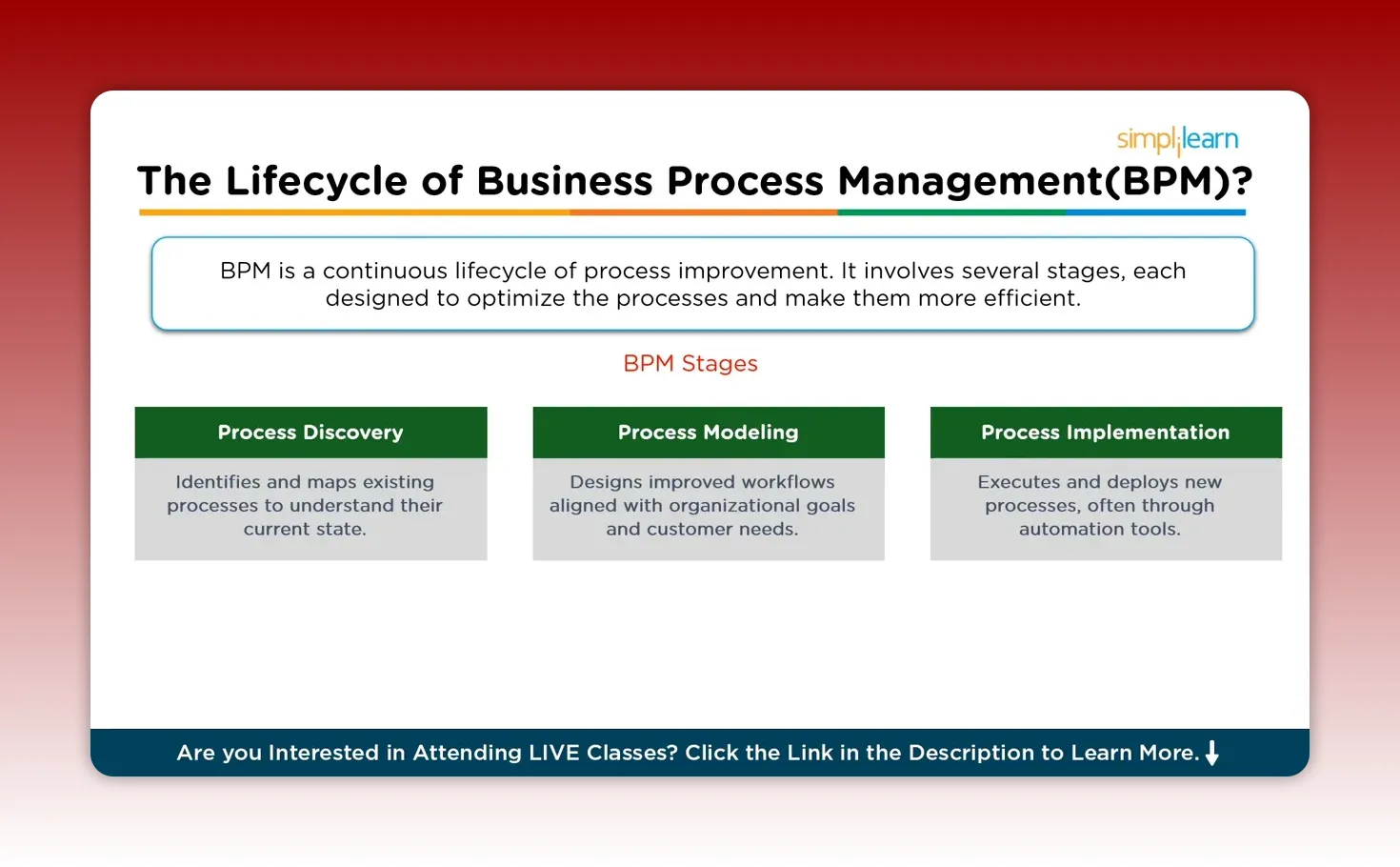
The BPM Lifecycle: A Practical Roadmap
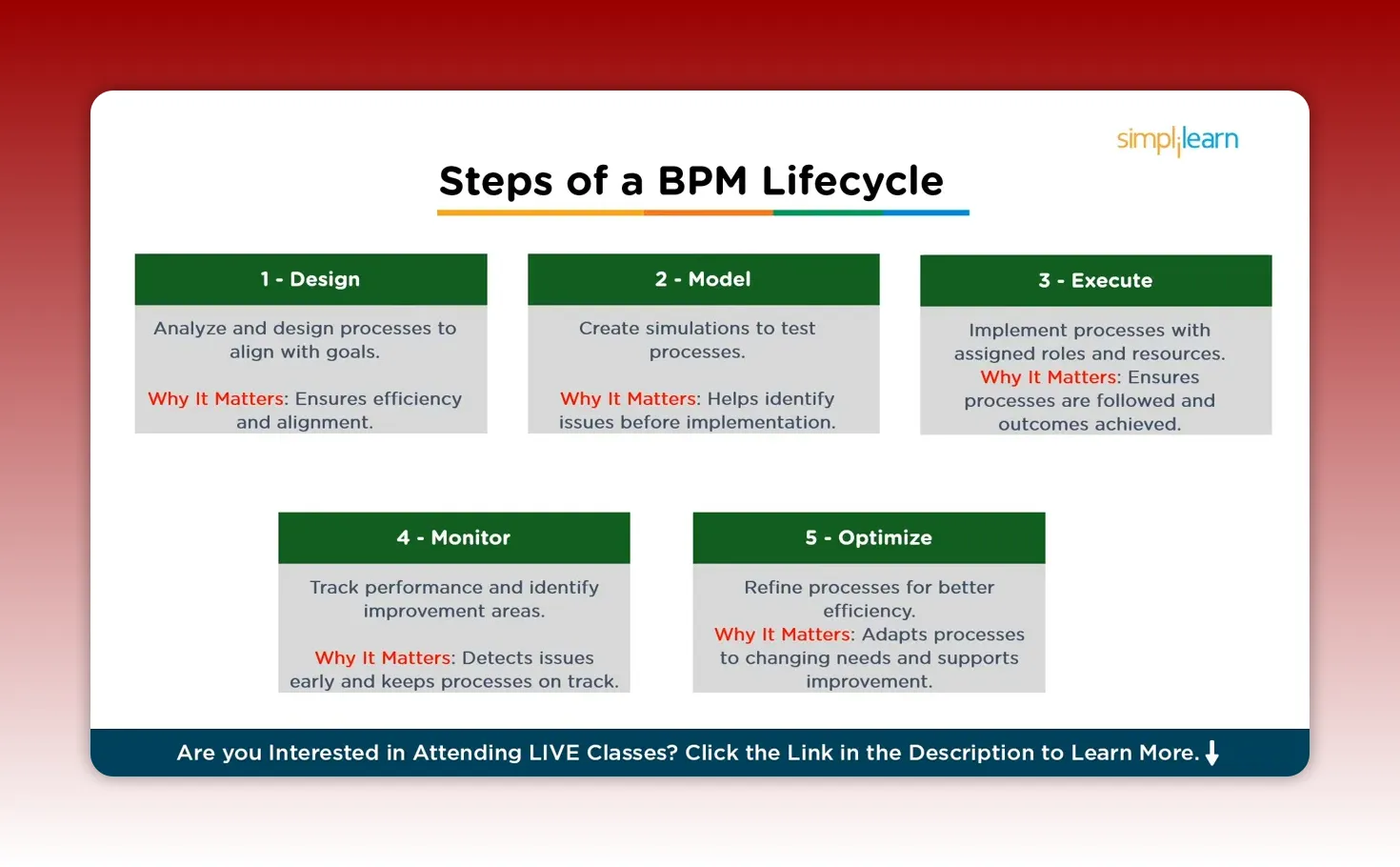
Use a five-step lifecycle that fits small budgets and limited time. Treat it as an iterative cycle rather than a one-off project:
- Discover: Map how work is currently done. Interview team members, list steps, and note delays.
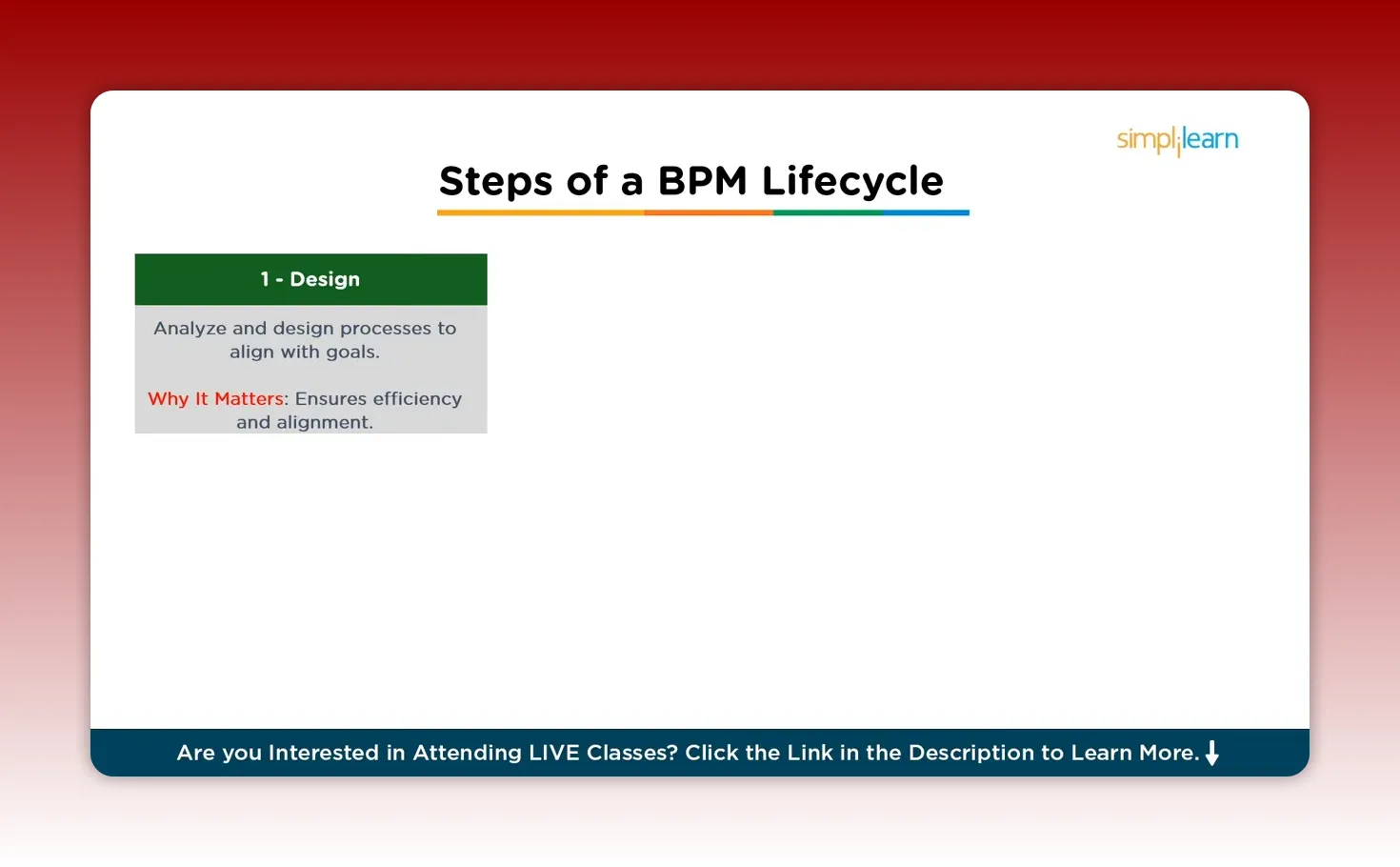
- Design (Model): Create a simple process map showing the desired flow. Focus on clarity rather than perfection.
- Execute: Pilot the new approach with a subset of work or team members. Use inexpensive tools to support the change.
- Monitor: Track a few key metrics to see whether the change is working.
- Optimize: Make targeted tweaks and repeat the cycle.
For small organizations, a full-scale software rollout is rarely the first step. Start with people, process maps, and simple automation that removes the most repetitive tasks.
Projects, Processes, and Tasks: What’s the Difference?
Confusing these three terms creates coordination problems. Here’s how to think about them:
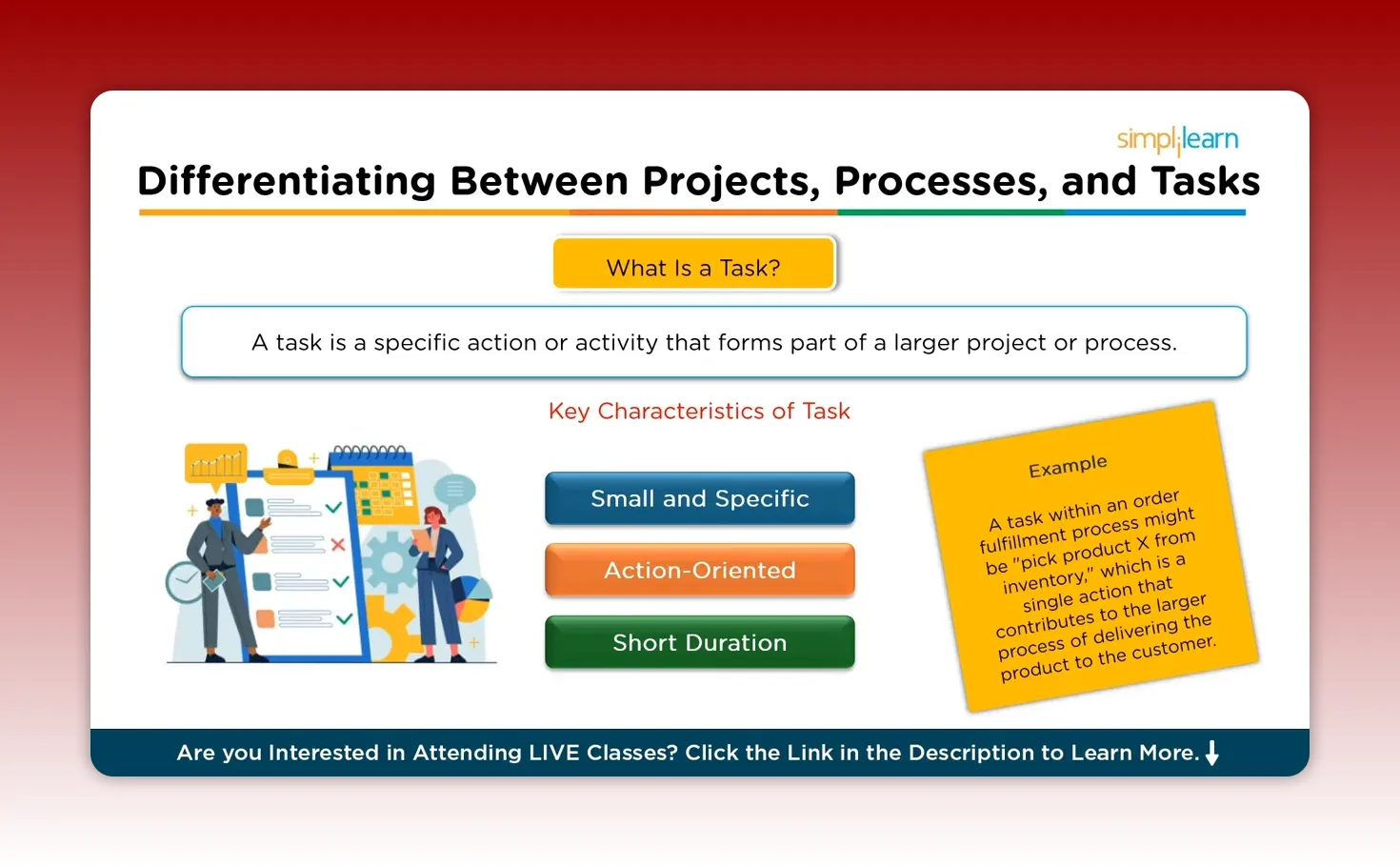
- Project: A time-bound effort with a unique outcome. Example: launching a new product or a special fundraising campaign.
- Process: Ongoing, repeatable work that delivers value continuously. Example: customer onboarding or monthly bookkeeping.
- Task: A single action inside a process or project. Example: sending an invoice or updating a contact record.
BPM focuses on optimizing processes, but projects and tasks sit inside that context. When a project is completed, the outputs should feed smoothly into ongoing processes.
Types of Processes: Where to Focus First
Not all processes are equal. Prioritize based on impact and frequency.
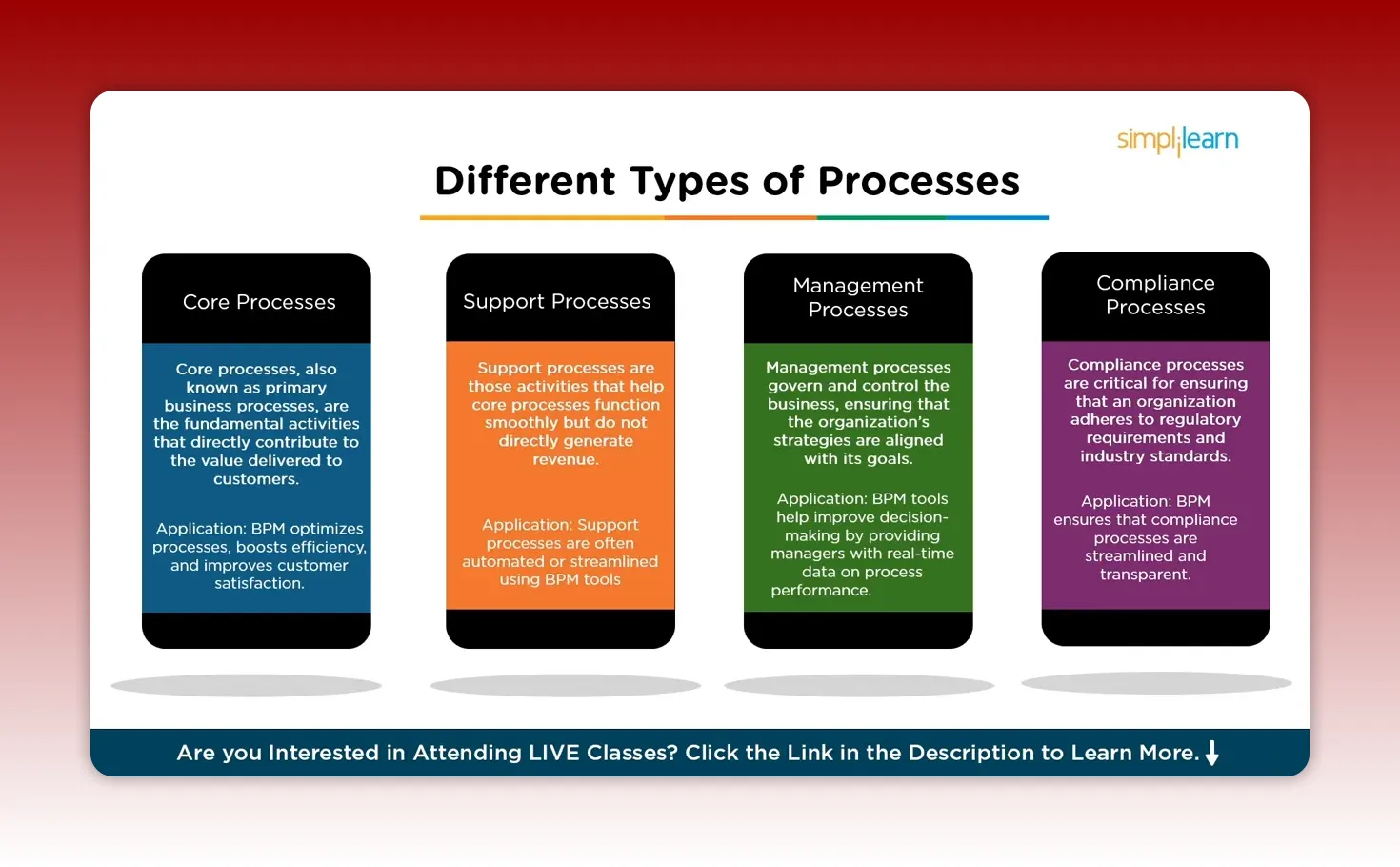
Core Processes
These directly deliver value. For small businesses: sales, order fulfillment, product development, or service delivery. For nonprofits: program delivery, beneficiary registration, or grant distribution. Improving core processes usually yields the highest return.
Support Processes
These keep operations running: HR, finance, IT, procurement. Automating payroll calculations or simplifying volunteer scheduling can free hours each week.
Management Processes
Planning, reporting, and performance reviews. Even small organizations benefit from simple dashboards showing the few metrics leaders care about.
Compliance Processes
Documentation, audits, and regulatory filings. Nonprofits often need to maintain donor records, grant compliance, and financial transparency. Clear processes reduce risk and protect reputation.
Approaches to BPM: Traditional, Digital, and Agile
Choose the approach that fits your culture and resources. Many small organizations blend elements from each.
Traditional BPM
Structured and centralized. Useful when you must standardize for quality or compliance. For small teams, keep documentation concise: one-page process maps and simple role descriptions.
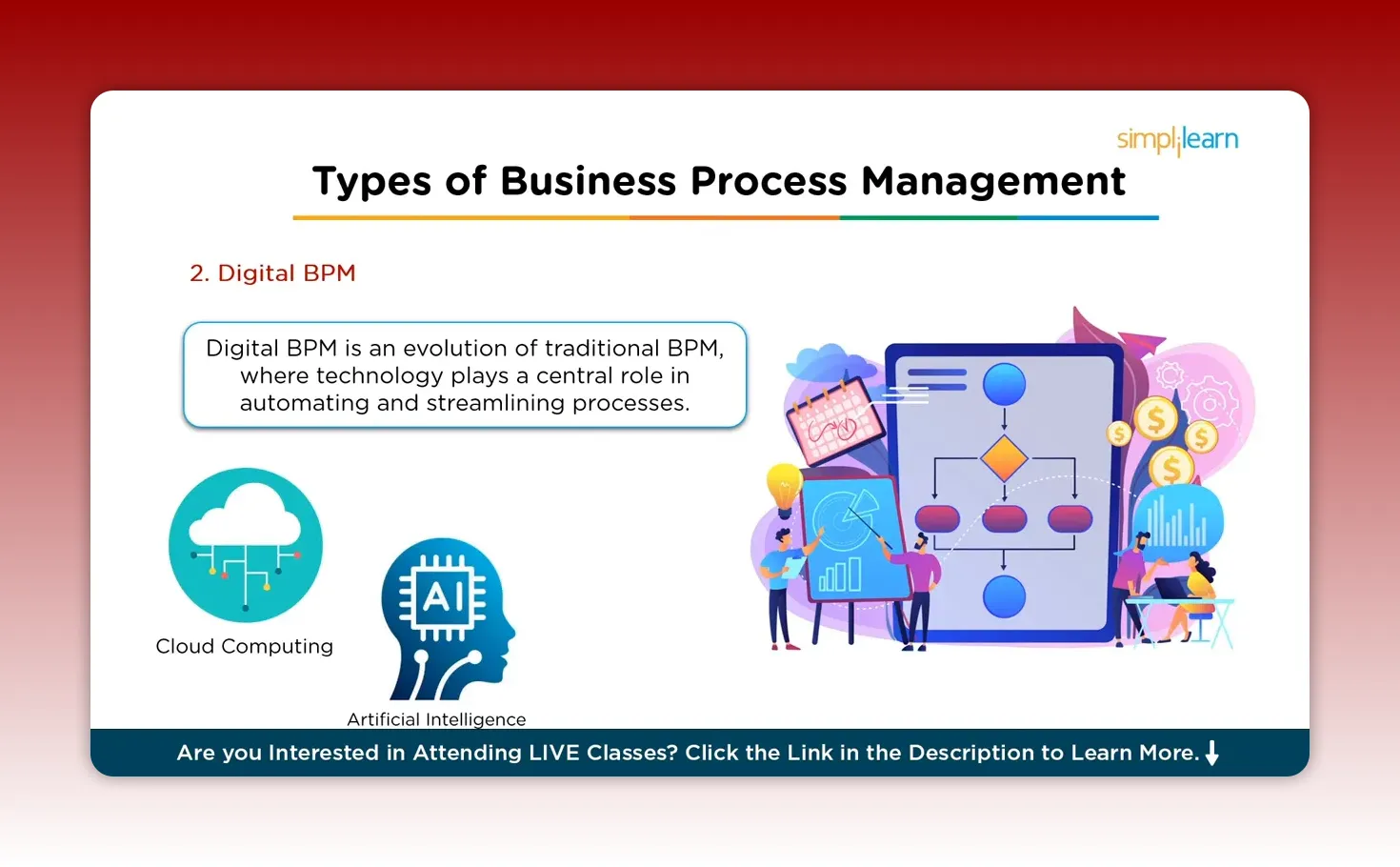
Digital BPM
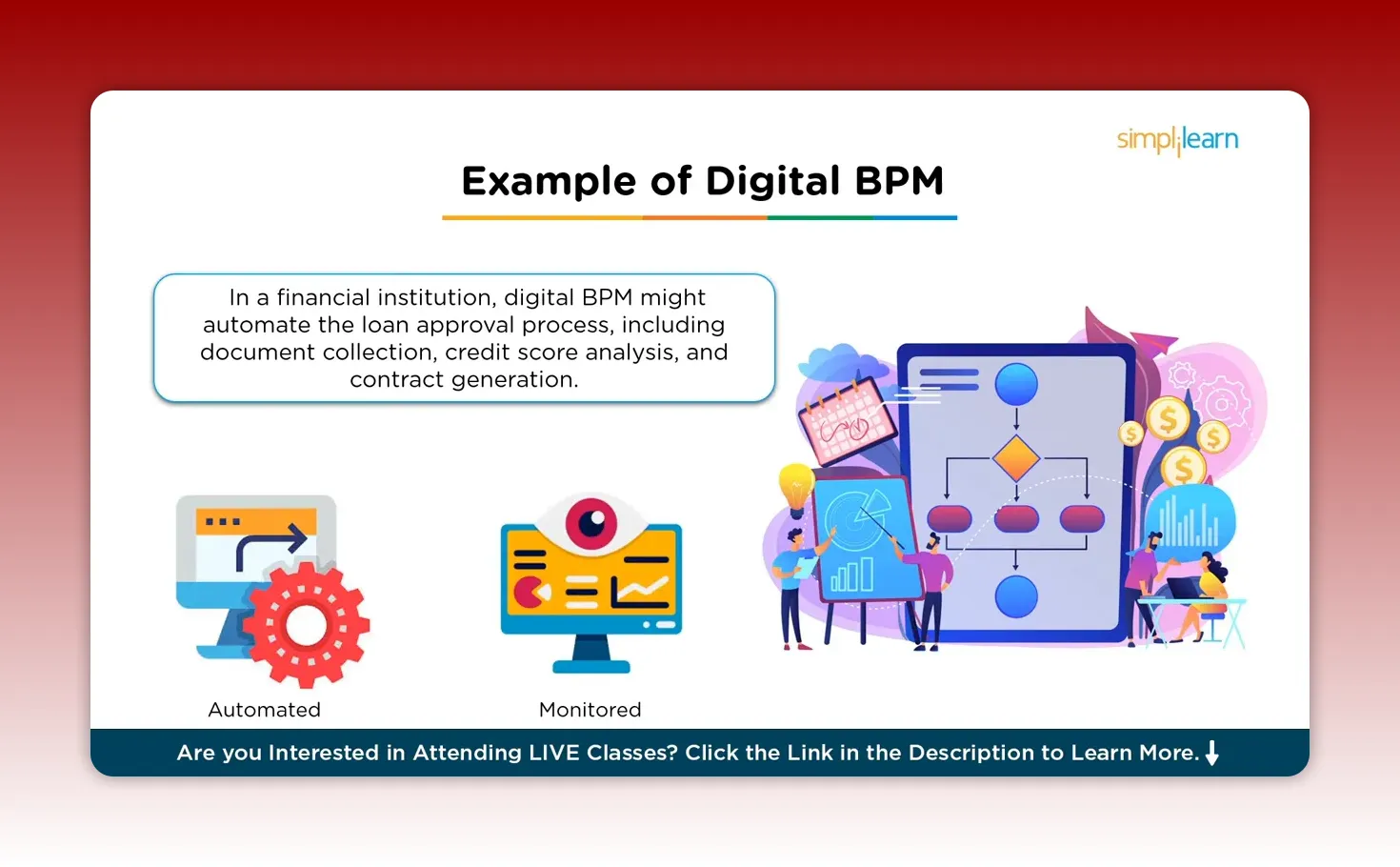
Adds automation and integration. Examples: automatically routing invoices for approval, syncing customer data between tools, or sending scheduled donor acknowledgments. Digital BPM can be lightweight—built on cloud apps and low-cost automation tools.
Agile BPM
Iterative, user-focused, and flexible. Make small, frequent changes and get feedback from the people doing the work. Agile BPM is powerful for projects that face changing requirements, such as program delivery models in nonprofits.
Methodologies You Can Use (Without a Consultancy)
Large organizations use frameworks like Six Sigma and Lean. Small teams can borrow the principles and apply lightweight versions that work with limited resources.
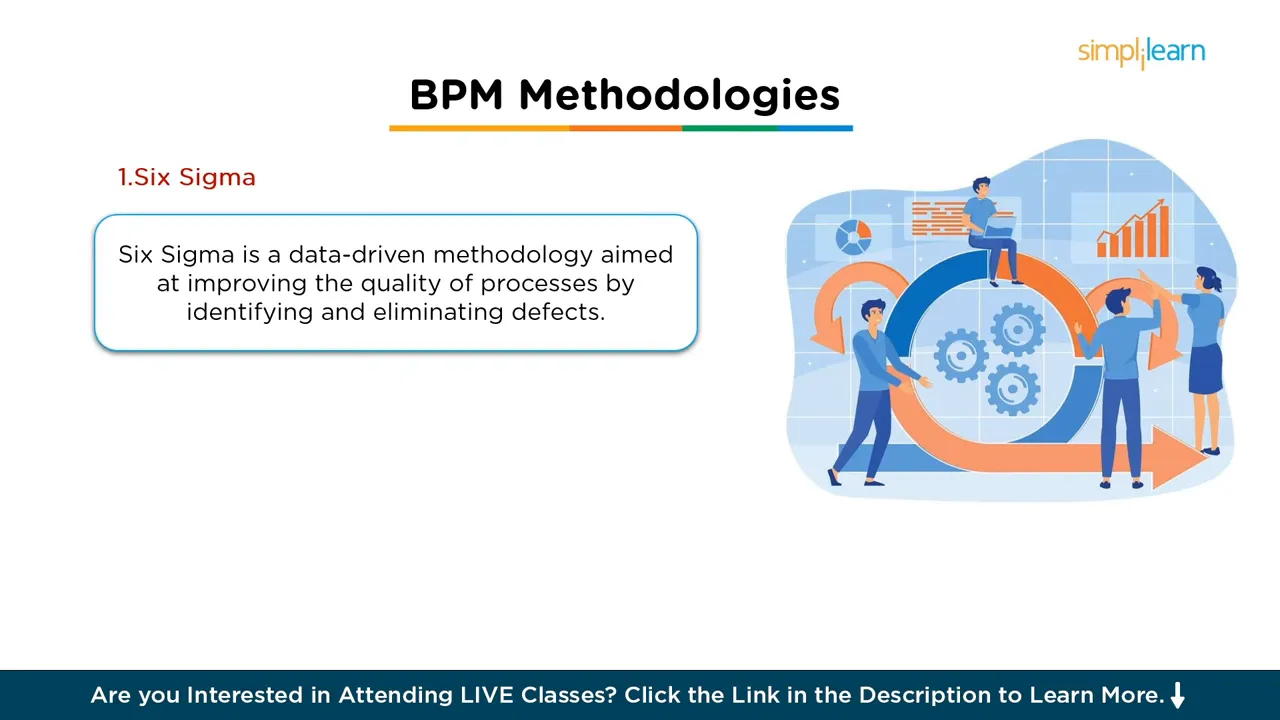
Six Sigma (DMAIC) — Simplified
Focus on problems with measurable defects. Use DMAIC steps at small scale:
- Define the problem and what success looks like.
- Measure current performance using a simple metric or sample.
- Analyze root causes—ask why five times.
- Improve by piloting solutions.
- Control with a checklist or scheduled review.
Lean
Eliminate waste: anything that doesn’t add value to the customer, beneficiary, or donor. Use value stream mapping to visualize your process and remove unnecessary steps. For a small nonprofit, this might mean cutting redundant approval layers that delay service delivery.
BPMN and Process Mapping
BPMN is a standard notation for diagrams. You do not need full compliance with BPMN to get value. Simple flowcharts or swimlane diagrams often do the trick. The goal is shared understanding across team members.
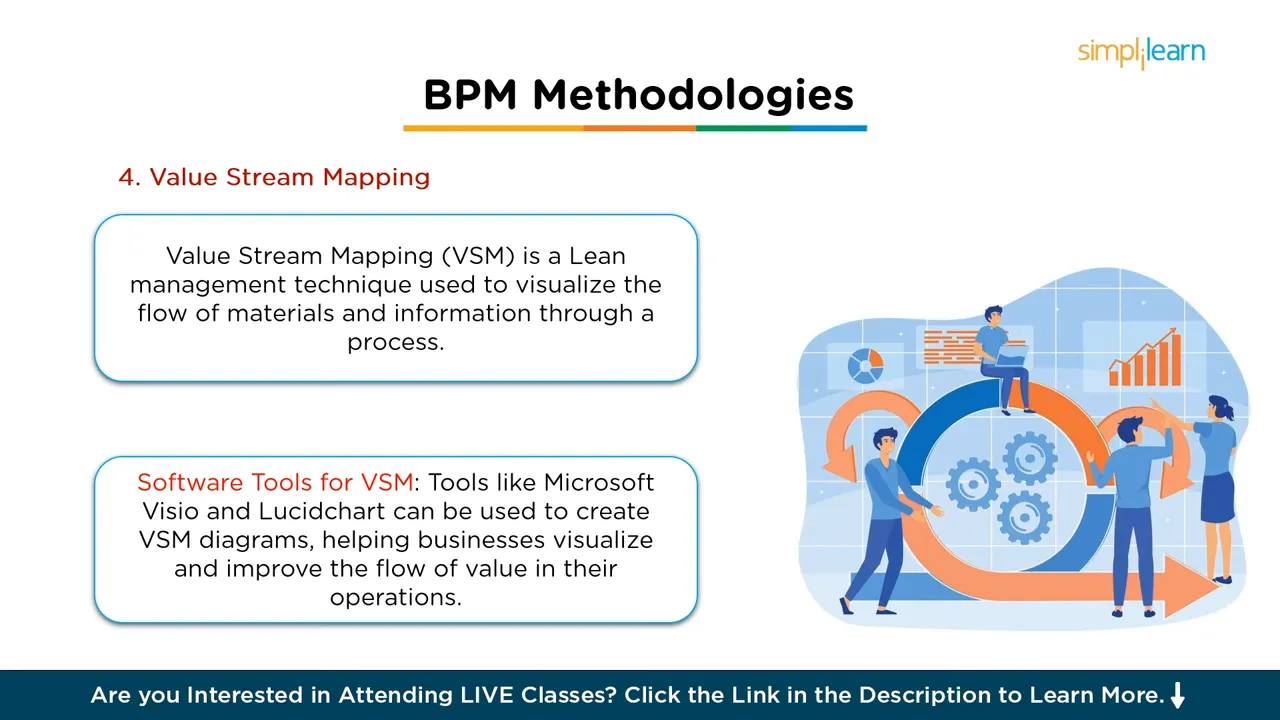
Value Stream Mapping
Visualize the flow of materials and information. Identify value-adding steps and the delays between them. This is especially useful for operations like order fulfillment or intake and assessment in a community service.
Tools and Techniques That Work for Small Budgets
Many low-cost or free tools let you model, automate, and monitor processes without enterprise investments.
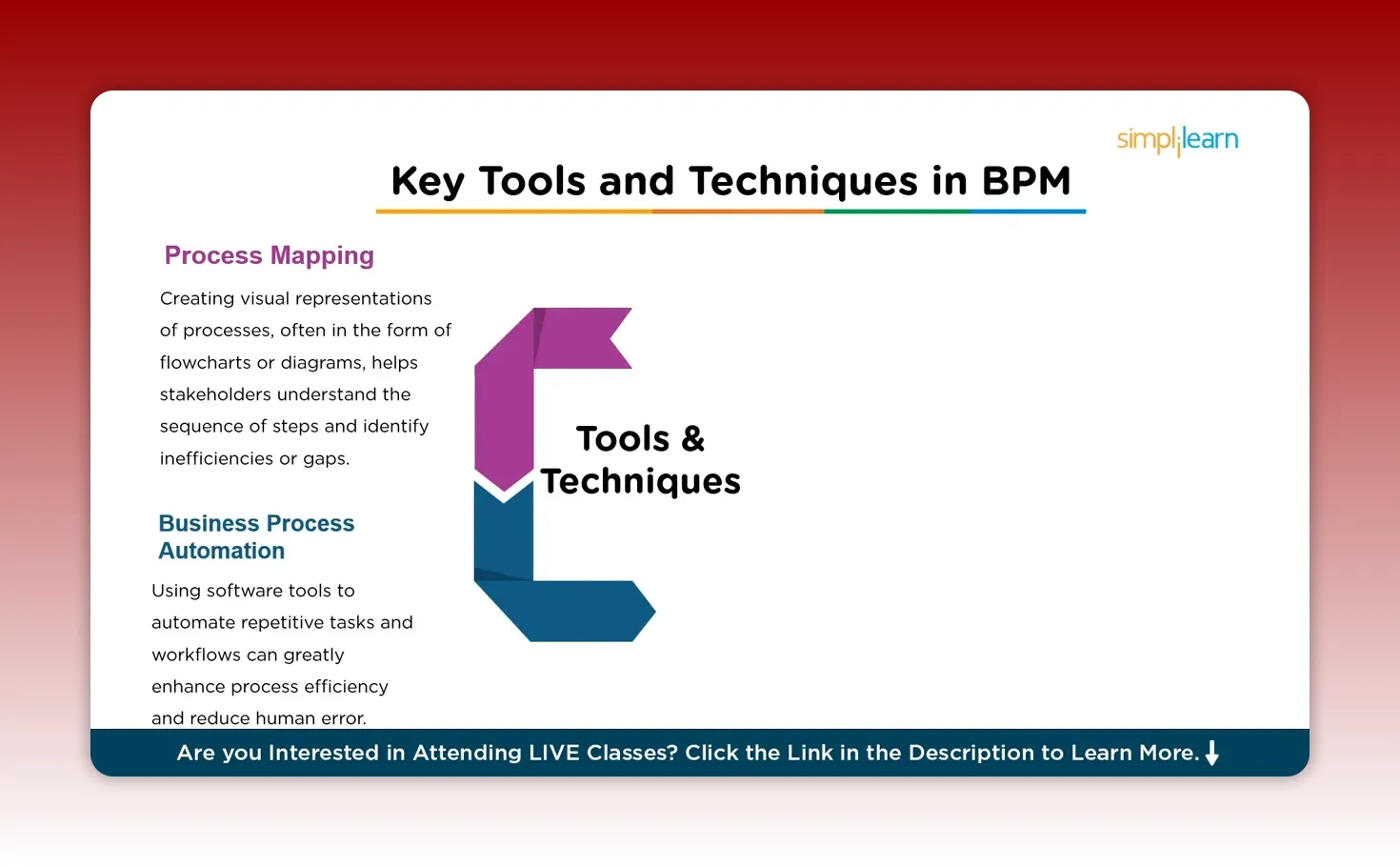
Process Mapping and Diagramming
- Free/Low-cost: Lucidchart (free tier), draw.io, Google Slides, Microsoft Visio (online).
- Purpose: Create simple process maps, swimlanes, and value stream diagrams.
Workflow and Project Management
- Trello: Kanban-style boards for simple workflows and task tracking.
- Asana or Monday.com: richer workflow features for coordinating work across people.
- When to use: Manage projects, approvals, and recurring operational tasks.
Business Process Automation (BPA) and RPA
Automation tools handle repetitive, rule-based tasks. For small teams:
- Zapier or Make (Integromat): connect apps and automate tasks without code.
- UiPath Community Edition or Automation Anywhere: more powerful RPA, but with a steeper learning curve.
- Example: Automatically create a donor record in your CRM when a donation is received and send a thank-you email and tax receipt.
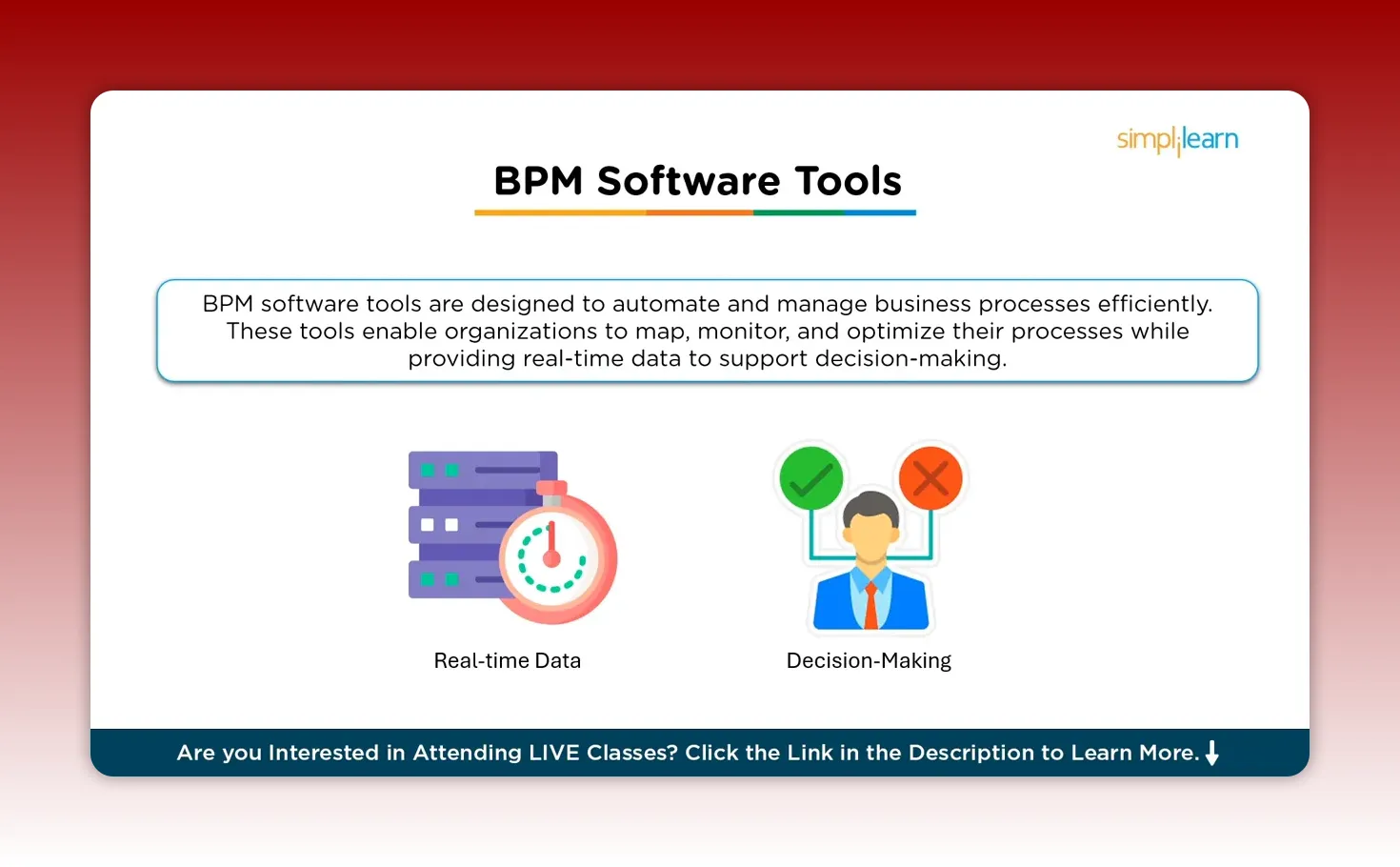
Performance Monitoring and Simple Dashboards
Track a handful of KPIs rather than dozens. A small dashboard can be built with Google Sheets, Microsoft Excel, or free BI tools:
- Key metrics to consider: cycle time for order fulfillment, invoice processing days, program participants served per month, donor retention rate, cost per beneficiary.
- Tools: Google Sheets + simple charts, Google Data Studio, or low-cost BI tools for visualizations.
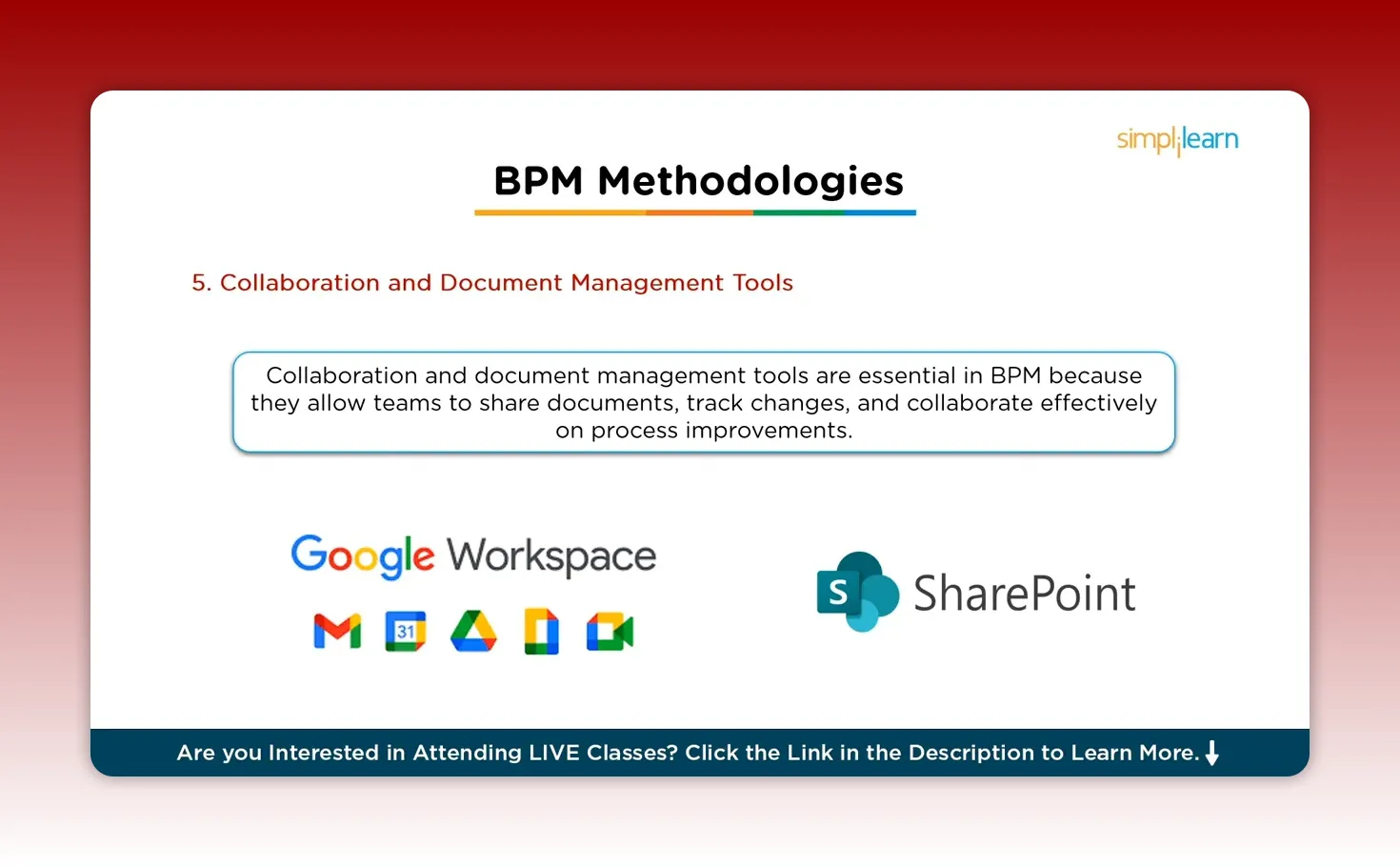
Collaboration and Document Management
- Google Workspace: documents, forms, and shared drives for collaboration.
- SharePoint: structured document management where version control and permissions matter.
Practical First BPM Project for Small Teams
A first success builds momentum. Choose a process that is frequent, causes pain, and has measurable outcomes. Examples:
- A retail shop: the order fulfillment process from receiving an order to shipping.
- A small consultancy: onboarding a new client and setting up billing.
- A nonprofit: incoming donation processing and acknowledgment workflow.
Follow this seven-step mini-plan:
- Pick one process that repeats weekly and causes the most friction.
- Map the current state with 5–10 steps and who does each step.
- Identify the top 2–3 bottlenecks (e.g., waiting for approvals, manual data entry, unclear ownership).
- Design a simpler process with fewer handoffs and clear responsibilities.
- Pilot for 2–4 weeks with one team or one product line.
- Measure before-and-after using one or two KPIs (e.g., processing time, number of errors).
- Document and standardize the improved process and schedule a quarterly review.
Metrics that Matter for Small Businesses and Nonprofits
Keep performance measurement manageable—three to five KPIs per process is often enough.
- Cycle time: time from start to finish for a single unit of work (order, donation, claim).
- Error rate: percent of transactions requiring rework or correction.
- Cost per transaction: total cost divided by number of completed transactions.
- Customer or beneficiary satisfaction: simple survey scores or net promoter score (NPS).
- Throughput: number of cases processed per day/week/month.
Common Pitfalls and How to Avoid Them
- Trying to fix everything at once: prioritize high-impact processes and deliver quick wins.
- Over-documentation: use one-page process maps and short checklists rather than long manuals.
- Ignoring the people doing the work: involve frontline staff early and capture their knowledge.
- Poor change management: communicate benefits, train staff, and keep improvements visible.
- Choosing the wrong tools: select tools that integrate easily with existing systems and are affordable.
Short Case Scenarios (Practical Examples)
Small Retailer: Faster Order Fulfillment
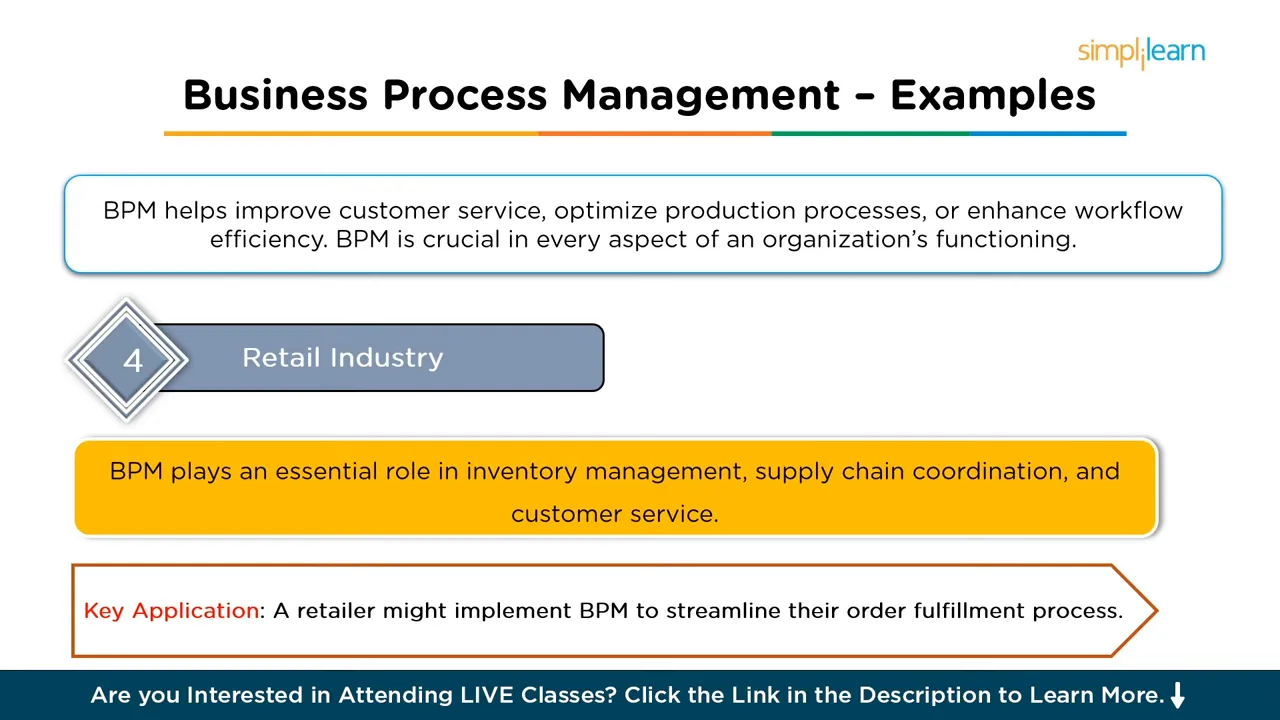
Problem: Customers frequently complain about delayed shipments. The shop owner maps the process and discovers delays in picking and manual entry of orders into the shipping system.
Solution: Introduce a barcode scan step that automatically updates inventory and triggers packing lists. Use Zapier to connect the ecommerce platform to the shipping tool. Result: order cycle time reduces by 40 percent and error rate drops significantly.
Nonprofit: Reliable Donor Acknowledgment
Problem: Donor receipts and thank-you messages are inconsistent, leading to lost repeat gifts.
Solution: Map the donation intake process, automate donor record creation in a CRM using a form integration tool, and use an email automation sequence to send instant acknowledgments and tax receipts. Result: donor retention improves and staff spend less time on manual admin.
Small Professional Services Firm: Clean Client Onboarding
Problem: New client setup takes time and compliance documents get lost.
Solution: Use a simple checklist in Trello with templates for contracts and an automated reminder flow for missing documents. Set a KPI for days-to-ready and aim to reduce it by 50 percent in three months.
Budget-Friendly Tool Stack Suggestions
A lean stack that covers mapping, automation, collaboration, and monitoring:
- Mapping: draw.io or Lucidchart free tier
- Task boards: Trello (free), Asana basic
- Automation: Zapier (free/low-cost) or Make for more flexible integrations
- CRM: HubSpot Free for donor and customer contacts
- Docs and forms: Google Workspace
- Dashboarding: Google Sheets or Google Data Studio
How to Get Leadership and Staff Buy-In
BPM succeeds when it solves visible problems. Use quick pilots to demonstrate value, share before-and-after metrics, and celebrate small wins. Involve team members in design so changes reduce friction for them rather than add new hoops.
Scaling BPM Over Time
Once a few processes are stable and produce measurable benefits, create a lightweight governance model:
- Assign process owners for core workflows.
- Schedule monthly or quarterly process reviews.
- Maintain a one-page process inventory: title, owner, frequency, and primary KPI.
- Use standard templates for process maps and improvement logs.
Checklist: First 90 Days of BPM
- Select one or two high-impact processes to improve.
- Map current state with the people who perform the work.
- Identify quick wins that reduce time or error rates.
- Pilot changes for 2–4 weeks and collect metrics.
- Document the new process and train staff.
- Establish an owner and schedule the next review.
- Plan the second process improvement using lessons learned.
FAQ
How much will BPM cost a small business or nonprofit to start?
Start-up costs can be minimal. Use free mapping tools, Google Workspace, and low-cost automations like Zapier. Expect to invest time more than money—about a few days of focused team time for the first process. If you choose paid tools, budget a small monthly amount per user. Prioritize ROI: measure time saved or errors avoided to justify paid tools.
Which process should we improve first?
Pick a process that is frequent, causes visible pain, and has measurable outcomes—donation acknowledgments, order fulfillment, client onboarding, or payroll. The ideal first project delivers quick wins and builds confidence for larger changes.
Do we need a dedicated BPM team?
Not initially. Assign a process owner responsible for the improvement initiative and involve frontline staff. As improvements scale, consider an operations lead or part-time process coordinator.
Can small nonprofits use advanced methodologies like Six Sigma?
Yes, in a simplified form. Use the DMAIC mindset (define, measure, analyze, improve, control) but apply it to small samples and practical experiments rather than full-blown statistical programs. Practical problem-solving matters more than formal certification.
Which KPIs matter most for process improvement?
Keep it simple: cycle time, error rate, cost per transaction, throughput, and customer or beneficiary satisfaction. Pick one or two KPIs per process to track progress.
How do we measure ROI from BPM?
Translate improvements into time saved, reduced errors, or increased revenue/donations. Multiply staff hours saved by average hourly cost, or measure additional revenue generated by faster fulfillment or higher customer satisfaction. For nonprofits, consider improved service metrics or increased donor retention as part of ROI.
Final Thoughts
BPM is not just for large corporations with big budgets. With a simple, focused approach, small businesses and nonprofits can use BPM principles to remove friction, save time, and deliver better outcomes. Start small, measure what matters, and iterate. Over time, those small improvements compound and deliver far greater capacity, higher trust from customers or donors, and more time for mission-critical work.
If you keep the process human-centered and results-oriented, BPM becomes a practical way to grow smarter rather than simply busier.
This article was created based on the video Introduction To Business Process Management | Business Process Management Course 2026 | Simplilearn.


